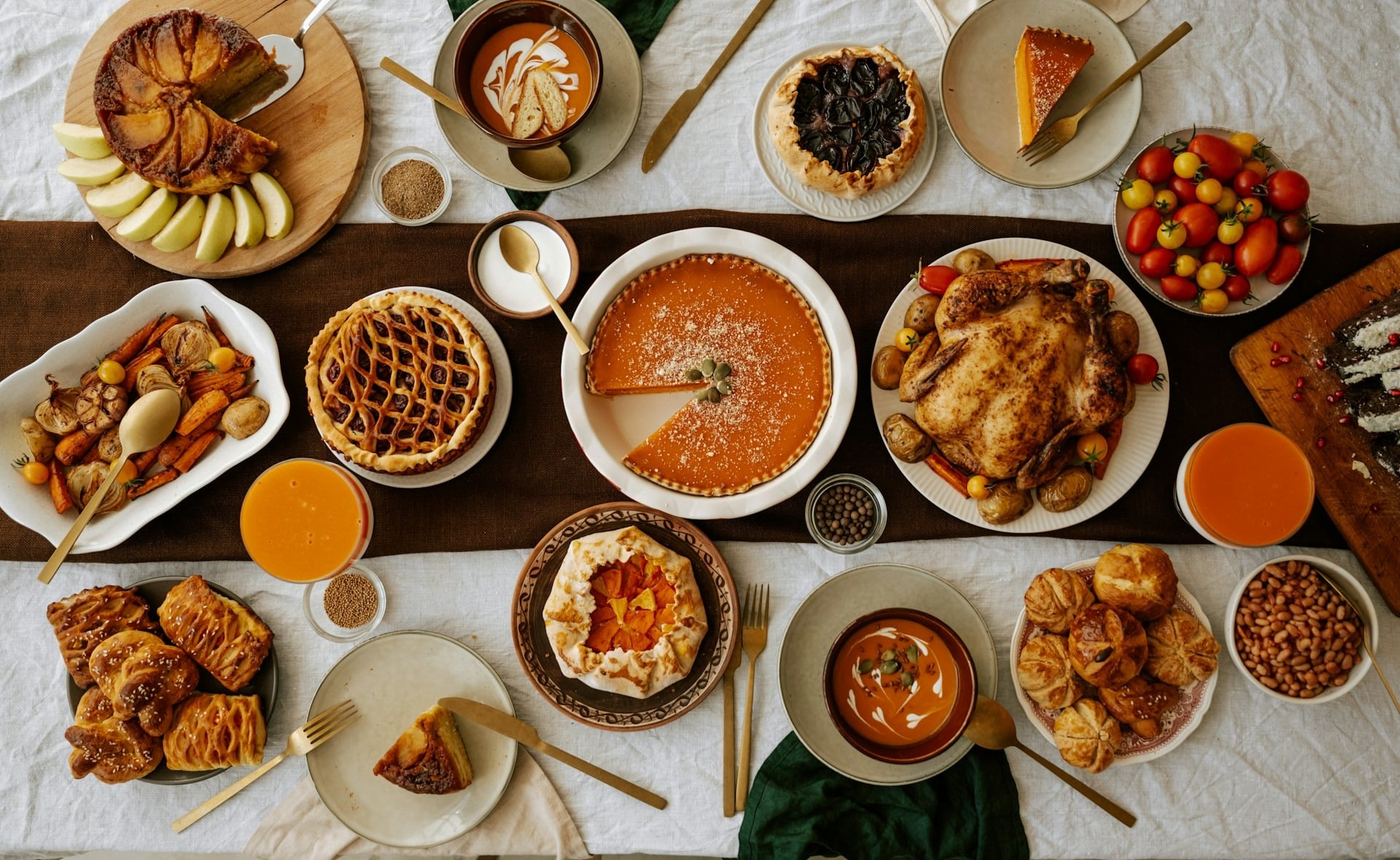
You just got home from the farmers’ market with a bag full of produce you bought on impulse…and now you’re standing in the kitchen wondering what to do with it all. Or maybe your CSA (Community Supported Agriculture) box showed up with vegetables you can’t quite identify, and dinner is in two hours. If you’ve been here before, you’re not alone.
Seasonal cooking has a reputation for being a weekend-project-only, Pinterest-perfect kind of hobby. But it doesn’t have to be! At its core, cooking seasonally means using ingredients that are at their best right now, and it can be as straightforward as tossing fresh asparagus in a pan in April or roasting butternut squash on a sheet pan in October.
This guide walks you through what to cook in spring, summer, fall, and winter, with practical ideas for weeknight dinners and bigger gatherings alike. We’ll cover where to find seasonal ingredients, how to swap things out when your market doesn’t have what you need, and how to plan menus without overcomplicating things. And if you’re looking to write seasonal recipes, we’ll also get into how to organize, time, and publish seasonal content so it reaches people when they’re searching for it.
What are seasonal recipes?
A seasonal recipe uses ingredients that are naturally abundant and at peak ripeness during a specific time of year. But in everyday cooking, “seasonal” can refer both to ingredients that are naturally abundant at a certain time of year and to dishes that fit the weather or mood of that season.
First, it refers to produce that’s available in certain months, for example, strawberries in late spring, corn in summer, and pumpkin in fall.
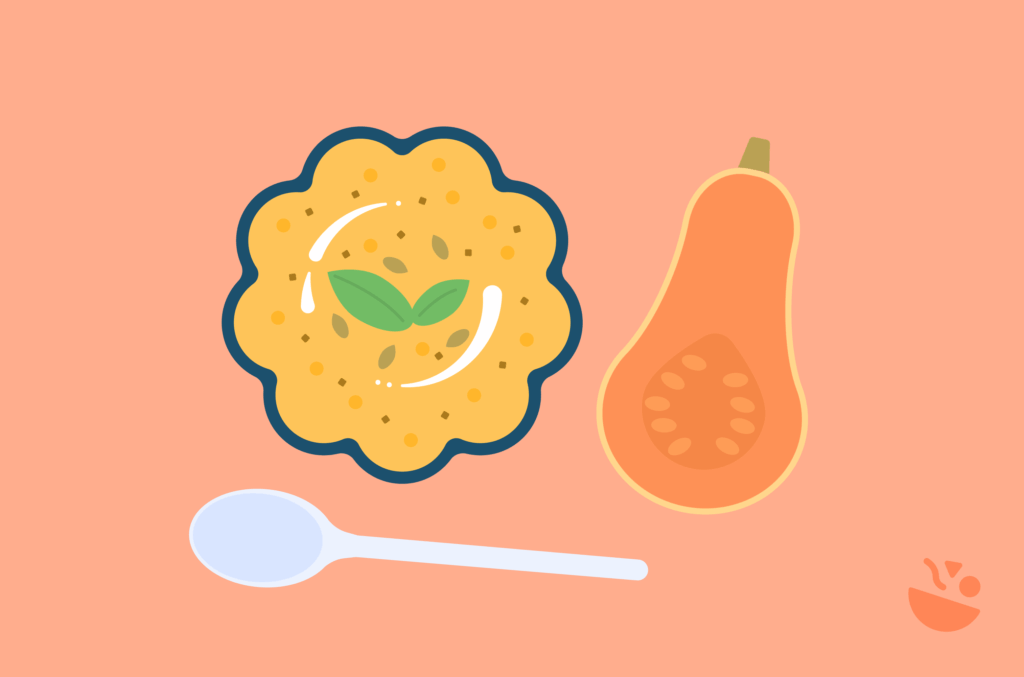
Second, it describes dishes that match the weather and mood of a season. Pumpkin soup in October works on both levels: the pumpkins are freshly harvested and a warm bowl of soup is exactly what a cool evening calls for.
Quick note: Seasonal cooking means building meals around ingredients at their peak (like autumn squash or summer berries). Seasoning a dish means adding salt, pepper, herbs, or spices for flavor. Two very different things, same word.
There are plenty of good reasons to cook this way:
Better flavor. Fruits and vegetables picked at peak ripeness tend to taste noticeably better than produce harvested early and shipped long distances.
Lower grocery costs. When a crop is abundant locally, prices often drop. Buying zucchini in July or apples in October can cost less than buying them off-season.
Less environmental impact. Locally grown produce generally travels shorter distances, which can mean fewer emissions from refrigerated trucks, cargo planes, and long supply chains.
Support for local farmers. Buying from nearby growers keeps money in the local economy and helps small farms stay in business.
More nutrients on your plate. Shorter time between harvest and your kitchen can mean less nutrient loss from extended cold storage.
When a peak ingredient isn’t available in your area yet, knowing smart substitutions helps you cook seasonally year-round, and we’ll cover specific swaps for each season further on.
Finding seasonal ingredients and planning menus
Knowing what’s in season is one thing. Knowing where to actually find it and what to do with it once you’re home is where seasonal cooking gets practical.
Where to shop
Farmers’ markets are the most reliable source of regional produce at peak season. What’s on the table is what’s growing nearby right now, so you don’t have to guess. If farmers’ markets aren’t convenient, most supermarkets have seasonal sections near the produce entrance, often with signage highlighting what’s fresh.
💡Tip: ask the produce staff what arrived this week. They know what just came in, and they’ll often point you to items that haven’t even been shelved yet.
One more signal to watch for: price drops on produce. When a crop hits peak harvest and local supply is high, prices fall. Cheap zucchini in July or a sudden deal on butternut squash in October usually means you’re buying at the right time.
How to plan a seasonal menu
You don’t need to overhaul your entire meal routine. Start with 1–2 peak seasonal ingredients and build the rest of the meal around them. Here are a few planning strategies that keep things interesting:
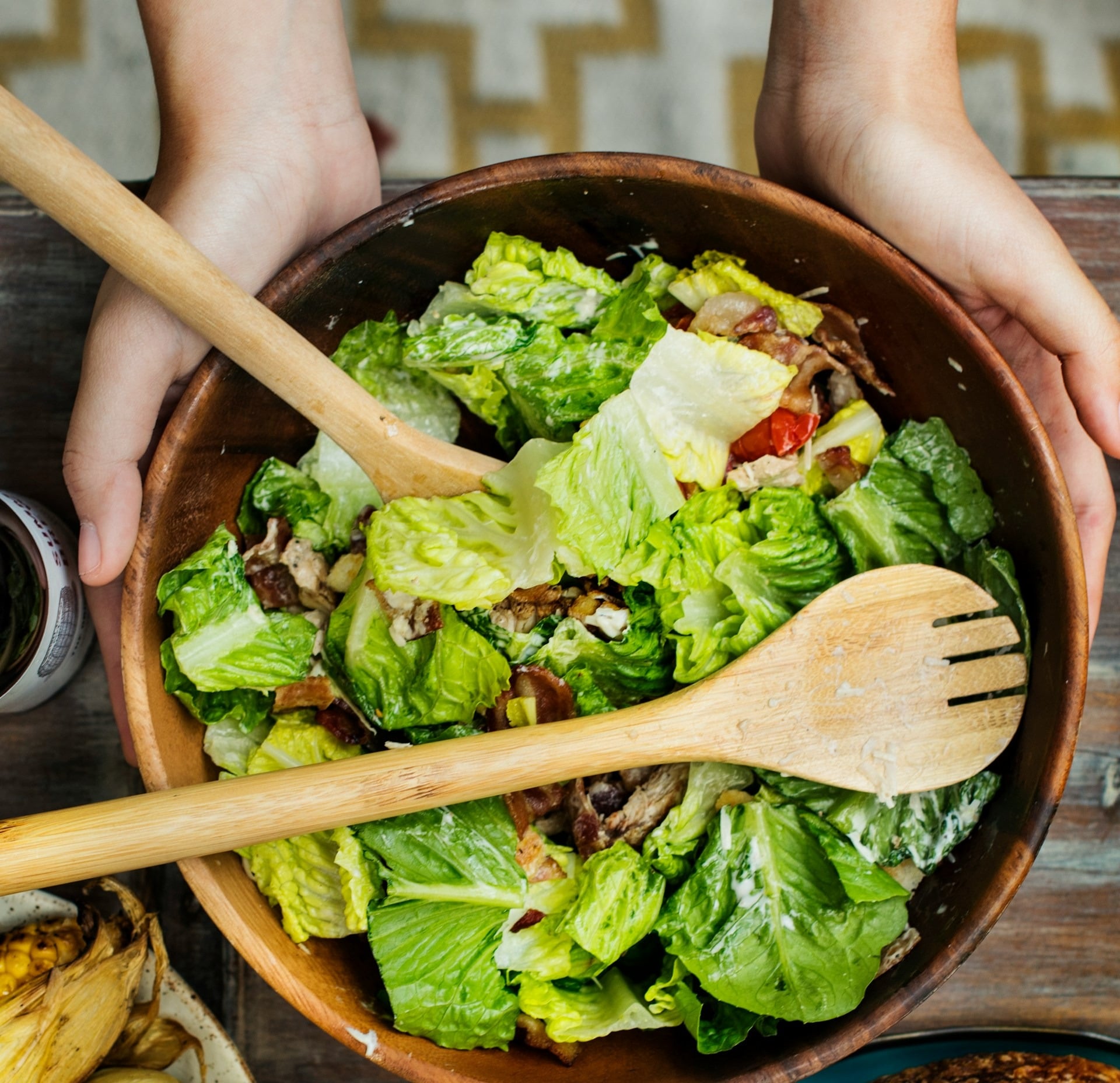
Mix your cooking methods. Pair a raw or fresh dish with something cooked. A crisp salad alongside a braised main, for example, gives you contrast in both texture and effort.
For dinner parties, vary the effort. A simple seasonal salad to start, a more involved main course, and an easy dessert mean you’re not spending the entire day in the kitchen.
For weekly planning, buy 3–4 seasonal vegetables and rotate how you prepare them throughout the week. Roast the carrots on Monday, turn them into a soup on Wednesday, shred them raw into a slaw on Friday. Same ingredient, but completely different meals.
For holiday menus, we’ve got a detailed section later in this guide with timelines, coordination tips, and scaling advice.
A note on regional timing
Seasons don’t follow the same calendar everywhere. Spring produce appears in late February across the southern US, while northern regions might not see the same crops until late April, and timing can vary by several weeks depending on your climate.
The best way to know what’s in season for you is to pay attention to what’s abundant at your nearest farmers’ market. If it’s piled high on every stand, it’s in season in your area, regardless of what a national produce guide might say.
Spring seasonal recipes (March–May, varies by region)
Spring produce is all about freshness and light flavors. After months of heavy winter meals, the shift to bright greens and early fruits feels like a reset for your kitchen.
What’s in season: asparagus, peas, strawberries, artichokes, and radishes.
How to pick the best: Fresh asparagus should snap cleanly when you bend it near the base. If it bends without breaking, it’s past its prime. For strawberries, trust your nose before your eyes. A fragrant, sweet smell means they’re ripe. Pale or odorless berries won’t develop much more flavor at home.
Storage tips: Stand asparagus upright in a jar with a little water, or wrap the ends in a damp towel; it usually keeps for a few days in the fridge. Strawberries are best eaten within a couple of days and do better unwashed until you’re ready to eat them.
When you can’t find it: Green beans work well as an asparagus substitute in most recipes (similar cook times and crunch). Frozen strawberries are a reliable swap for baking and smoothies, though they won’t hold up in a fresh salad.
Best cooking methods: Think quick. Steaming, light sautéing, and fresh preparations let spring ingredients shine without burying their delicate flavors.
Weeknight ideas (20–30 minutes):
Asparagus lemon pasta with parmesan and a squeeze of fresh lemon.
Sautéed radishes with butter and herbs. Radishes mellow beautifully when cooked, which surprises a lot of people.
Pea stir-fry with garlic, snap peas, and your choice of chicken, shrimp, or tofu.
Weekend projects (45+ minutes):
An asparagus tart with flaky pastry, ricotta, and a handful of fresh herbs.
Pea and mint soup, blended smooth. Works great warm or chilled as the weather warms up.
Summer seasonal recipes (June–August, varies by region)
Summer cooking has one unofficial rule: don’t heat up the kitchen if you can avoid it. The best warm-weather meals lean on grilling, raw preparations, and dishes that come together fast with minimal stovetop time.
What’s in season: tomatoes, zucchini, corn, berries (blueberries, blackberries, raspberries), and cucumbers.
How to pick the best: Ripe tomatoes feel heavy for their size and give slightly when pressed. A rock-hard tomato won’t have much flavor yet. For corn, look for tight green husks with moist, golden-brown silk at the top. Dry or black silk usually means the ear is older.
Storage tips: Keep tomatoes at room temperature for 3–5 days. Refrigerating them dulls the flavor and changes the texture, so only move them to the fridge if they’re about to go soft and you need another day or two. Corn is best within 1–2 days of buying (the sugars start converting to starch quickly). Berries last 2–3 days in the fridge, spread in a single layer if possible.
When you can’t find it: Canned whole tomatoes are a reliable stand-in for cooked dishes like sauces, soups, and stews. Frozen corn kernels hold their sweetness well and work in everything from salads to salsas.
Best cooking methods: Grilling, no-cook preparations, and quick assembly. If you do need the stove, keep it brief. Salads, wraps, and cold noodle dishes are your friends here.
Weeknight ideas (20–30 minutes):
Caprese salad with sliced chicken breast, fresh mozzarella, basil, and a drizzle of olive oil.
Corn and tomato salad with red onion, cilantro, and lime; no cooking needed.
Zucchini noodles tossed with pesto and cherry tomatoes (add grilled shrimp or white beans for protein).
Weekend projects (45+ minutes):
Homemade tomato sauce from peak-season tomatoes, made in a big batch and portioned for the freezer. You’ll thank yourself in December.
A rustic berry galette with a buttery free-form crust. It’s easier than pie and just as impressive.
Fall seasonal recipes (September–November, varies by region)
Fall is when the kitchen comes alive again. After a summer of cold salads and grilling, there’s something satisfying about turning on the oven and filling the house with the smell of roasting vegetables and warm spices.
What’s in season: butternut squash, apples, Brussels sprouts, sweet potatoes, and pumpkin.
How to pick the best: A good butternut squash feels heavy in your hand and has matte, tan skin without shiny spots. A matte, even-colored squash is usually a better bet than one with shiny skin. For apples, go by firmness and fragrance. A ripe apple should feel solid (no soft spots) and smell noticeably sweet near the stem end.
Storage tips: Winter squash is one of the easiest things to store at home. A whole butternut squash keeps for 1–3 months in a cool, dry spot like a pantry or countertop away from direct sunlight. Apples last 1–2 weeks at room temperature, longer in the fridge. Brussels sprouts are more perishable, so plan to use them within 3–5 days.
When you can’t find it: Sweet potatoes and butternut squash swap back and forth beautifully in most recipes (soups, curries, roasted sides). Pears step in for apples in baked dishes, salads, and even grilled cheese, as they bring a slightly softer, more floral sweetness.
Best cooking methods: Roasting, braising, and slow-cooking are all ideal here. These methods bring out the natural sugars in fall produce, and the oven warmth is actually welcome once the temperature drops outside.
Weeknight ideas (20–30 minutes):
Butternut squash curry with coconut milk, chickpeas, and rice. This can be hearty enough on its own, or add shredded chicken.
Roasted Brussels sprouts with a drizzle of balsamic and a sprinkle of parmesan. Crispy edges are everything.
Apple cheddar grilled cheese on sourdough. Pair it with a bowl of tomato soup for a full meal.
Weekend projects (45+ minutes):
Slow-roasted pork shoulder with apples, onions, and a splash of cider. This one fills the house with an incredible smell and practically cooks itself.
Pumpkin risotto, stirred low and slow with sage, butter, and a bit of nutmeg. This vegetarian main earns its spot at the center of the table.
Winter seasonal recipes (December–February, varies by region)
Winter cooking is built around warmth and comfort. The produce aisle looks different this time of year, with less variety in color and more roots and greens, but the flavors hold up to long, slow cooking methods that make cold evenings feel a lot better.
How to pick the best: Citrus should feel heavy for its size. More weight means more juice inside. Root vegetables should be firm all the way through, with no soft or spongy spots. For winter greens, look for crisp leaves with deep, even color. Yellowing or wilting edges mean they’ve been sitting around too long.
Storage tips: Citrus lasts 1–2 weeks at room temperature and even longer in the fridge. Root vegetables are among the best keepers in the produce world, and most will stay firm for 2–3 weeks in a cool, dark place. Winter greens are the exception at 3–5 days, so plan to use those earlier in the week.
When you can’t find it: Root vegetables are some of the most forgiving ingredients for swaps. Carrots, parsnips, and turnips trade places in nearly any roasted, mashed, or soup-based recipe without changing the method at all. Winter greens are just as flexible, and kale, collards, and chard all work in braises, sautés, and soups, though cooking times will vary slightly (kale takes a bit longer than chard).
Best cooking methods: Braising, stewing, roasting, and slow-cooking all work well here. One-pot dishes are especially practical during winter because there are fewer dishes to clean, and the long cooking time builds deep, layered flavors.
Weeknight ideas (20–30 minutes):
Citrus-glazed salmon with a quick orange and soy reduction. It’s bright, fresh, and ready in about 20 minutes.
Root vegetable hash with a fried egg on top. Use whatever roots you have: sweet potato, parsnip, turnip, or beet. They all crisp up nicely in a hot pan.
Winter greens sautéed with garlic, red pepper flakes, and a squeeze of lemon. Serve alongside roasted chicken thighs or over pasta with white beans.
Weekend projects (45+ minutes):
Braised short ribs in red wine with carrots and onions. This needs a couple of hours in the oven, but the hands-on work is minimal.
Pomegranate chicken with roasted root vegetables. The pomegranate molasses adds a sweet-tart glaze that caramelizes beautifully.
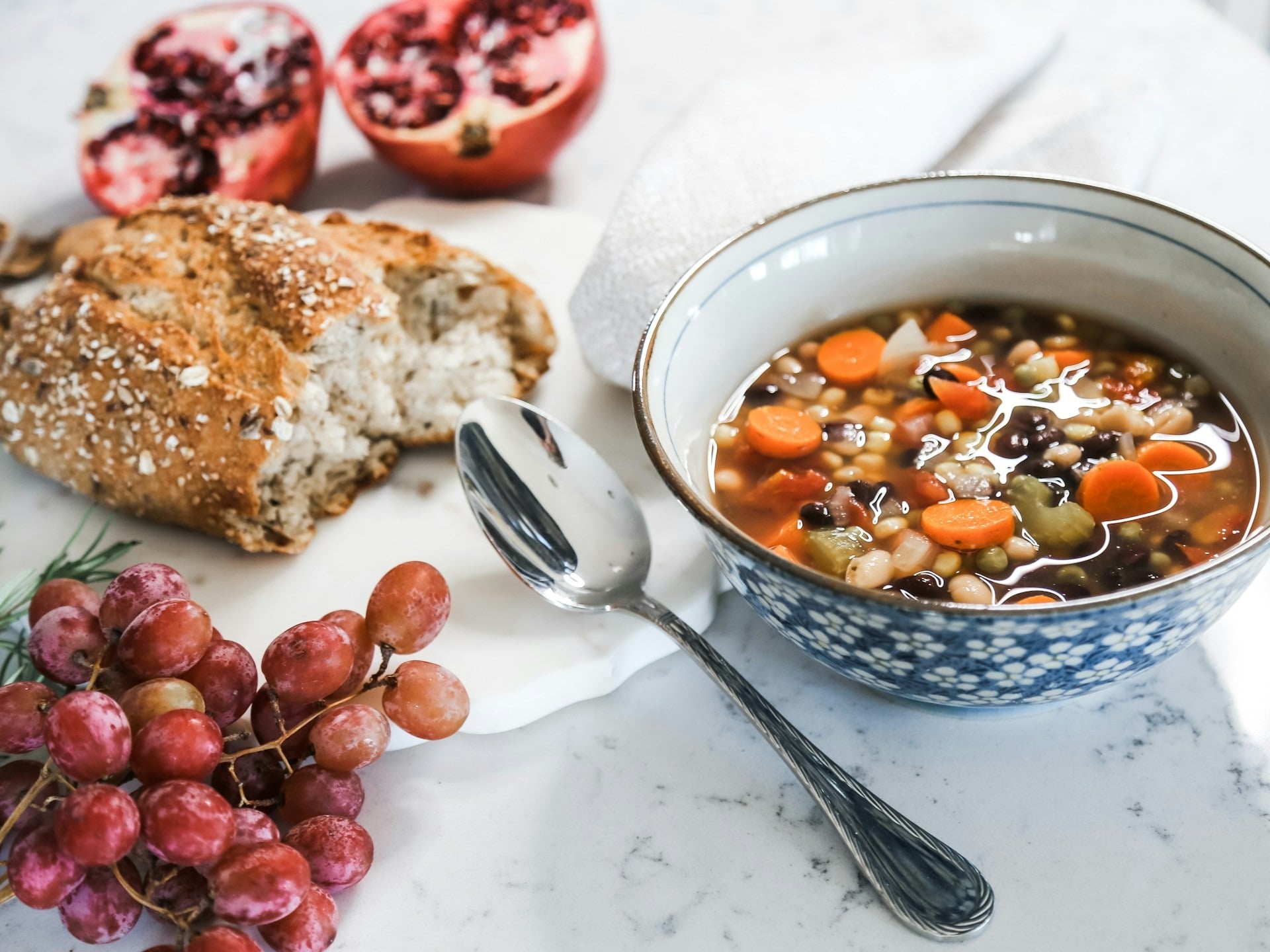
Kale and white bean soup with crusty bread. A big pot feeds a crowd and tastes even better the next day.
Seasonal holiday cooking
Most major holidays already follow seasonal cooking patterns, although we don’t always think of them that way. Thanksgiving is a fall harvest meal. Christmas dinners lean on winter citrus, root vegetables, and hearty roasts. Easter brunch highlights spring produce like asparagus and fresh herbs. Passover incorporates spring greens, and Diwali celebrations feature seasonal ingredients including lentils, nuts, and vegetables, alongside traditional sweets and festive dishes. Once you see the connection, planning a holiday menu becomes a lot more intuitive. Of course, ingredients and traditions vary widely by household and region, so treat these as starting points rather than universal rules.
A Thanksgiving framework you can actually follow
Thanksgiving is one of the most stressful cooking days of the year, mostly because everything needs to land on the table at the same time. A clear plan makes the difference between enjoying the day and spending it in a low-grade panic.
The menu (built around fall ingredients): butternut soup as a starter, roasted turkey, Brussels sprouts, sweet potato casserole, cranberry sauce, and apple or pumpkin pie for dessert.
A 3-day timeline keeps things manageable:
Two days before. Make pie crusts and cranberry sauce. Both store well and actually improve with a day of rest.
Day before. Prep vegetables (peel, chop, and store in containers), make stock if you’re going homemade, and bake pies. Getting these done early takes enormous pressure off the main day.
Day of. The turkey needs 3–4 hours, depending on size, so start early in the morning. While it roasts, assemble and bake the casserole and sides.
Scaling for a bigger group: If you’re cooking for 12 to 14 people or more, consider roasting two smaller turkeys instead of one massive bird. Smaller turkeys cook more evenly, take less time, and are easier to manage in a standard oven. Sides are much simpler to scale up. Doubling a sweet potato casserole or making extra Brussels sprouts is straightforward math, but wrestling with a 25-pound turkey is not.
Keeping everything coordinated: Group your dishes by oven temperature so you’re not constantly adjusting the dial. Identify which sides can finish on the stovetop during the 20–30 minutes the turkey rests after roasting. That resting window is prime time for reheating soup, finishing gravy, and crisping up the Brussels sprouts.
💡One practical tip: if you’re scaling recipes for a crowd, tools with adjustable servings recalculate ingredient amounts automatically, saving you the mental math or guesswork while you’re already juggling five things at once.
For food bloggers organizing seasonal content
This section is specifically for food bloggers and creators who publish seasonal recipes on WordPress. If you’re building a food blog, the way you organize and time your seasonal content matters just as much as the recipes themselves.
Publishing timing
A practical approach is to publish several weeks before peak demand. That means your pumpkin recipes should be ready in September to catch the October traffic wave, and your grilling content should land in late April or early May.
Already have seasonal posts from last year? Don’t let them collect dust. Update evergreen seasonal content annually. Refresh the photos if needed, check that links still work, and adjust any outdated tips. Refreshing evergreen seasonal posts can help keep them useful and current, especially when you update links, photos, and outdated information.
For a bigger-picture view of content planning beyond seasonal timing, our food blog content strategy guide covers editorial calendars, topic clustering, and long-term growth.
Organizing with taxonomies
Custom taxonomies like “Season” and “Holiday” give your recipe library real structure. When you tag a recipe as “Fall” or “Thanksgiving,” it can automatically appear on a dedicated archive page for that category. In WP Recipe Maker, taxonomy archive pages can be enabled, and WordPress then generates archive pages automatically, although the exact output depends on your theme.
As your content library grows, seasonal tags alone won’t be enough to keep things manageable. A broader recipe organization system that includes course type, cuisine, diet, and other categories helps readers and search engines find exactly what they’re looking for.
Roundup posts and structured data
Seasonal roundup posts like “15 Best Fall Soups” or “Holiday Cookie Collection” perform well in search because they match how people browse for seasonal inspiration. When structured properly, proper roundup markup may make your collections eligible for enhanced search presentation, depending on the markup and search engine support.
Support for roundup metadata varies by plugin, so it’s worth checking before you invest time building collections. You can learn how to create a recipe roundup for your food blog in our step-by-step guide.
How WP Recipe Maker helps with seasonal recipes
For bloggers publishing these recipes online, the workflow side matters too. Everything we’ve covered in this guide becomes much easier with the right plugin installed on your site. Here’s how WP Recipe Maker supports seasonal cooking for both the people reading your recipes and the creators publishing them.
For home cooks using your site:
Adjustable servings let readers scale a recipe up or down, and the updated amounts carry through to the print view, so no math is required when doubling a holiday side dish for extra guests.
Unit conversion controls let readers switch between metric and US measurements, or display both, depending on the setup.
Temperature conversion automatically converts between Fahrenheit and Celsius when visitors switch unit systems, so international readers can follow along without pulling out a calculator.
Oven symbols provide visual cues for oven settings, making it easier to follow baking instructions at a glance.
Ingredient and instruction checkboxes help track progress, cook mode keeps the screen awake so readers don’t lose their place, and a built-in kitchen timer helps track cook times, especially helpful during multi-component holiday meals where timing is tight.
The Cook Mode Popup provides step-through instructions that let readers move through each step one at a time, keeping their focus on the current task without scrolling.
For food bloggers and creators:
Automatic JSON-LD structured data gives recipes the metadata needed to be eligible for rich results in Google, including cooking time, ratings, calories, and photos, without touching any code.
Recipe Roundup with ItemList metadata supports seasonal collection posts and their search visibility, giving roundup posts like “20 Best Fall Soups” more visibility.
Custom taxonomies let you tag recipes by season, holiday, or any other category, and archive pages can populate automatically as you add new content, depending on your theme’s support.
Recipe Collections with shopping lists let readers save a full holiday menu and generate one consolidated grocery list.
Custom Recipe Fields add space for make-ahead notes, substitution suggestions, and storage tips right inside the recipe card, so readers get that information where they need it.
The Template Editor gives you extensive control over how recipe cards look, so you can align them with your site’s branding while keeping your brand consistent across the site.
“When you pair seasonal ingredients with the right tools and a bit of planning, the quality of your content speaks for itself. Your readers can tell when a recipe has been genuinely tested and thoughtfully presented.”
Seasonal cooking comes down to three questions: what’s in season right now, how do I want to cook it, and what can I use instead if something’s not available? That’s the whole system.
The ingredients may change, but the approach stays consistent.
The payoff stays consistent, too. Produce picked at its peak can mean better flavor. Buying what’s abundant can mean lower grocery bills. Shorter supply chains can mean less environmental impact. And honestly, the difference between a January tomato and an August tomato makes a stronger argument for seasonal cooking than anything we could write here.
Start small. Pick one or two seasonal ingredients this week, try a new recipe, and see how the flavors compare to what you’re used to buying year-round. You might be surprised how much of a difference “in season” actually makes.
If you’re a food blogger, WP Recipe Maker helps you organize and showcase seasonal content with all the right technical ingredients, so you can organise and present seasonal content in a way that supports search visibility! Get started today!