

If you’re thinking about starting a food blog, or you already have one and want to make it even better, it helps to see what’s actually working for people. Most bloggers don’t have a team behind them – it’s usually one person (maybe two) doing everything from photos to SEO to keeping the site running.
We’re looking at 12 food blogs across different niches and pulling out the small, practical things they do that make a real difference. Some of these examples have incredible photography, some have a strong personal voice, and some are just very easy to cook from. All of that is useful when you’re building or improving your own blog!
After checking them out, we hope you’ll have a clearer picture of what makes a food blog feel polished and reliable. And along the way, we’ll point out tools to help you set up those same features without patching things together.
12 food blog examples and how they keep readers coming back
When you look closely at successful food blogs, there’s usually one thing they have in common: they focus on a specific problem their readers deal with every day. That might be sticking to a budget, getting dinner on the table fast, cooking around allergies, or learning the kind of techniques most recipes skip over.
To make this easier to see in practice, we’ve grouped 12 food blogs by the niche or constraint they’re built around. Each one uses a clear angle to keep people coming back. As you browse the examples, pay attention to the small decisions each blogger makes. The way they photograph their food, the structure of their recipe cards, how they explain substitutions, and how predictable their content feels. These choices build trust over time.
You can borrow the same patterns for your own blog, no matter your topic. The goal isn’t to copy their style, but to understand the mechanism that keeps their readers loyal, then shape your niche around something equally specific!
Budget and accessibility champions
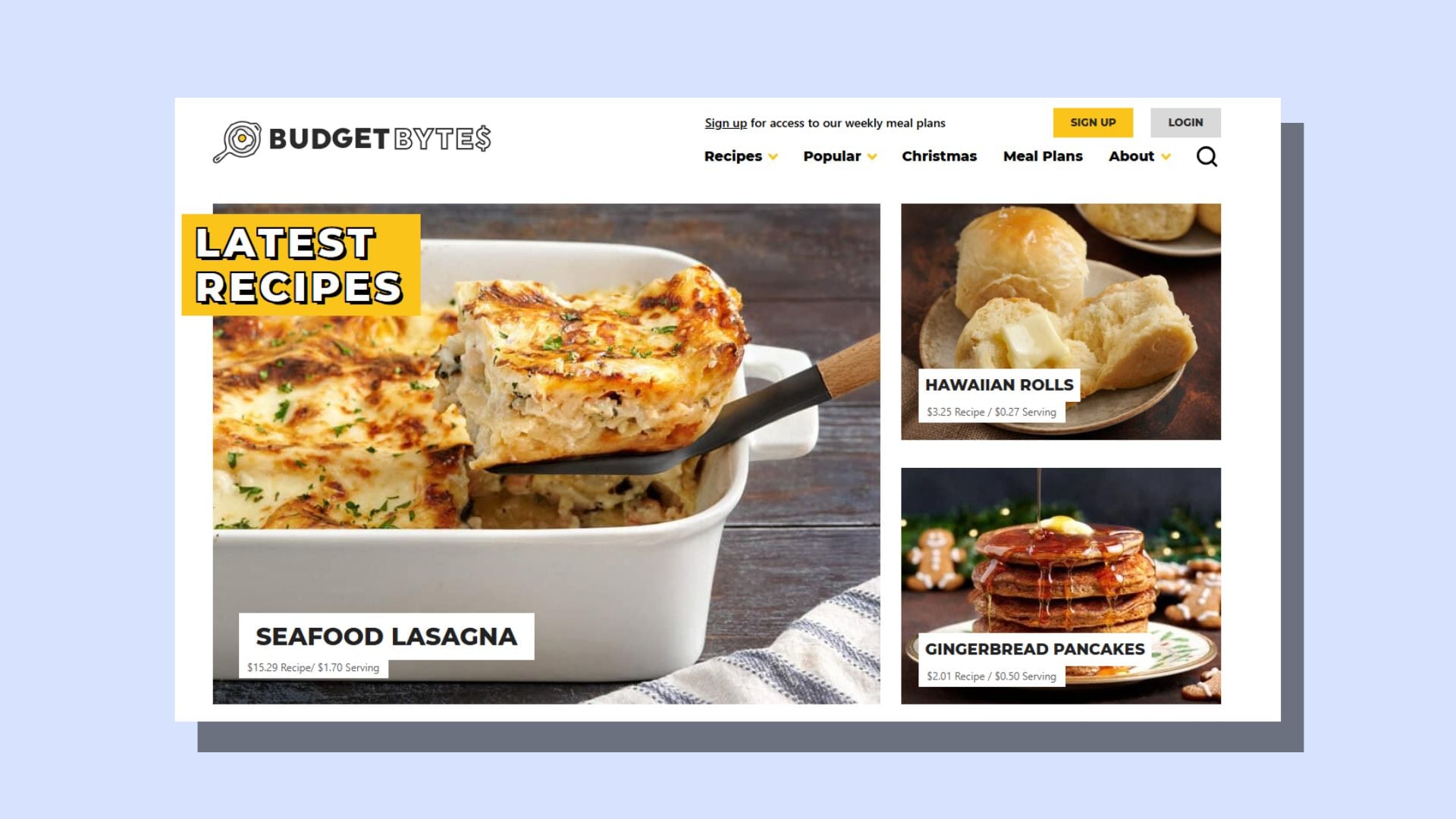
Budget Bytes builds everything around affordability. Each recipe shows the cost per serving, and the ingredient lists stay practical and easy to shop for. That small detail makes a big difference – readers know upfront that every dish fits a budget they can manage.
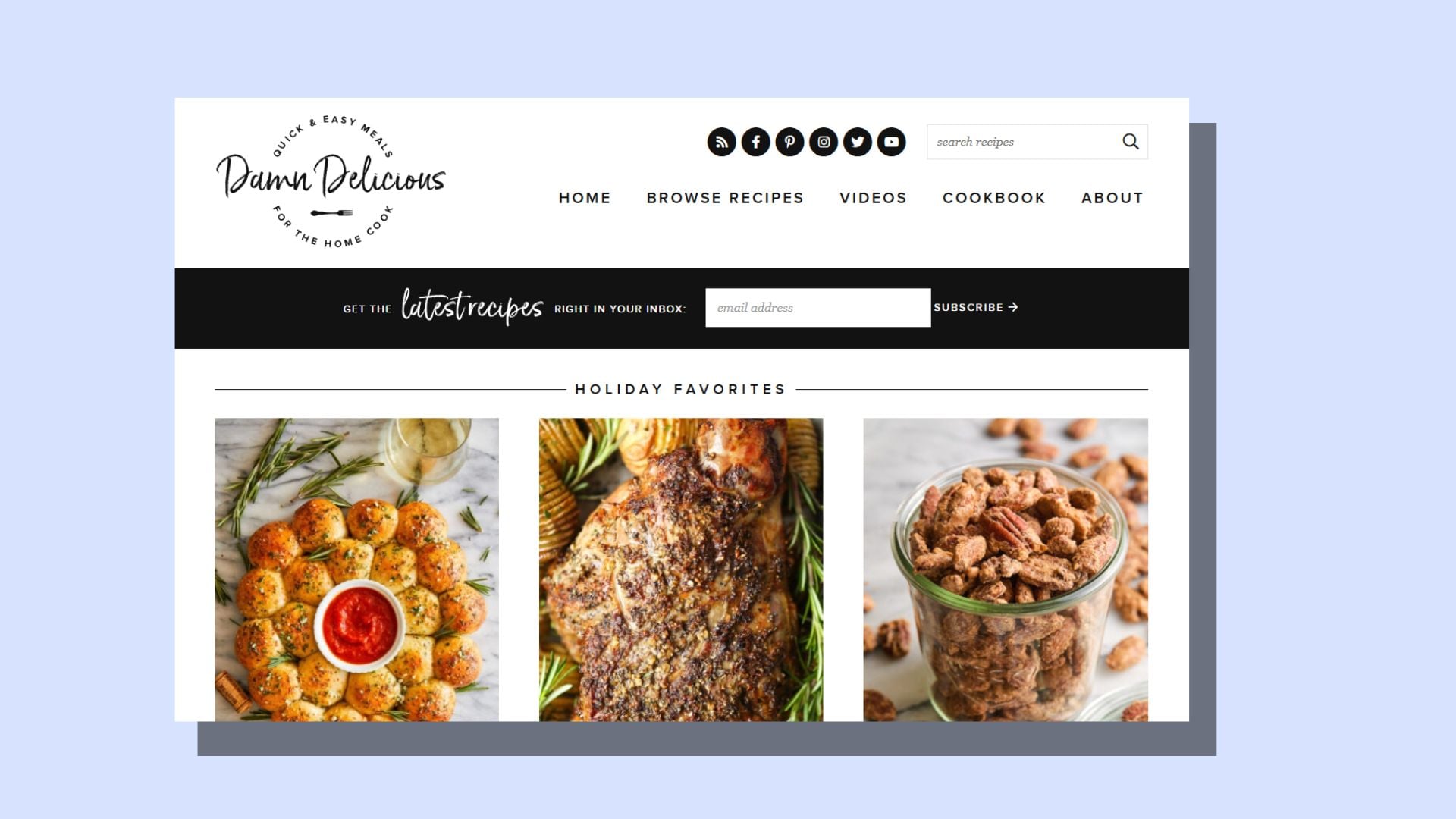
Damn Delicious takes the approach of time, instead. Many recipes sit in the 30-minute range, and the posts are laid out so you can scan the steps quickly without getting lost. For busy cooks, that reliability is what keeps them coming back.
Both blogs remove a major friction point (either money or time) and they repeat that promise in every single post.
Constraint-led recipe blogs
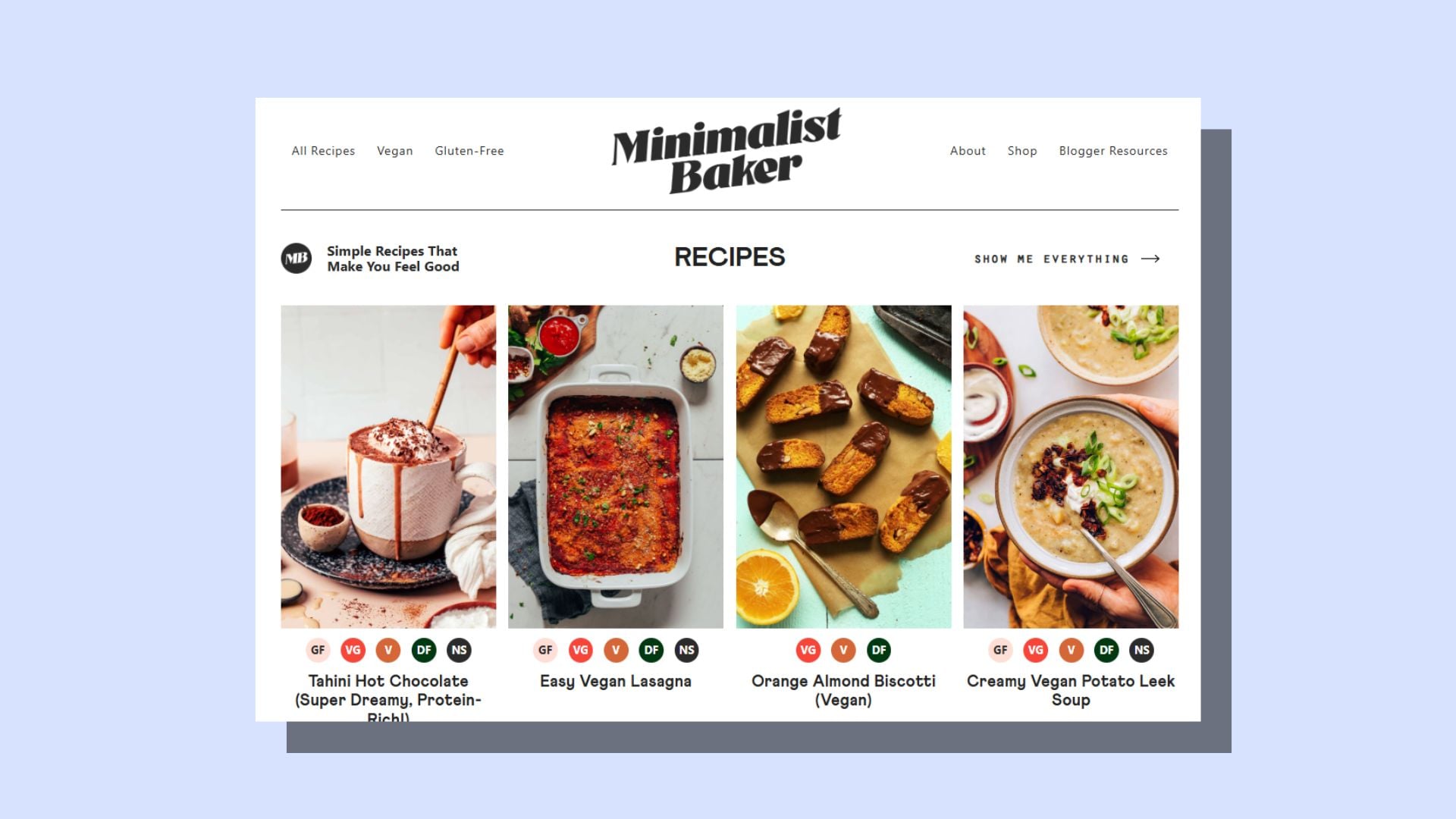
Minimalist Baker built its entire identity around simplicity: every recipe uses 10 ingredients or fewer, one bowl, or takes 30 minutes. The posts are structured so you can see those promises instantly – the time, bowl count, and ingredient list sit right at the top. That clarity helps readers trust that nothing on the site will feel overwhelming.
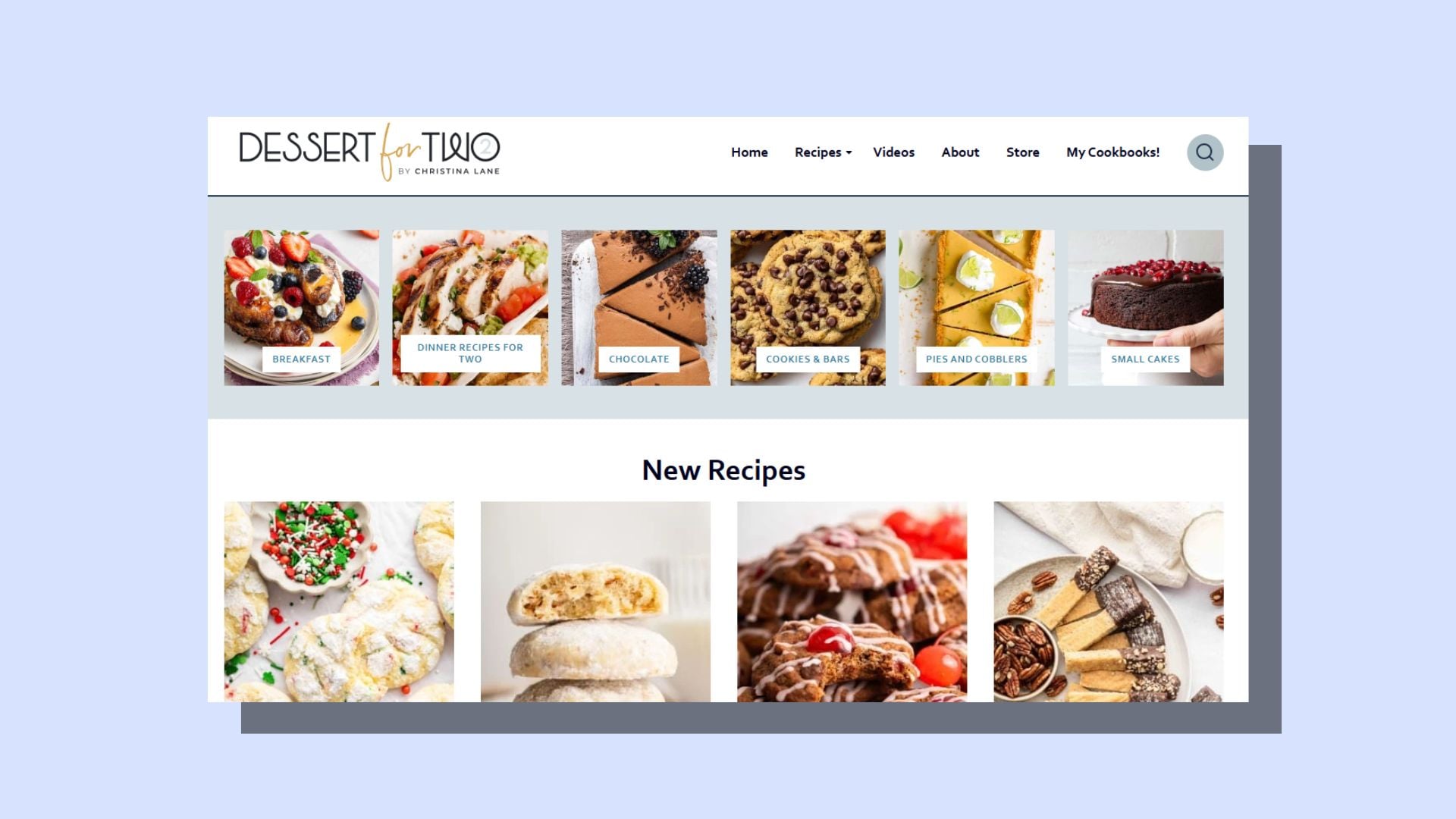
Dessert for Two, instead, is small-batch baking for couples, students, or anyone who doesn’t want a full dozen cookies. The measurements, pans, and instructions are all scaled down so you never need to guess how to adapt a full-size recipe. Readers return because they know everything on the site is sized for real life, not leftovers.
These blogs stand out because they commit to a clear constraint – whether it’s simplicity, cost, technique, or audience size – instead of trying to serve everyone at once!
Technique and science-focused sites
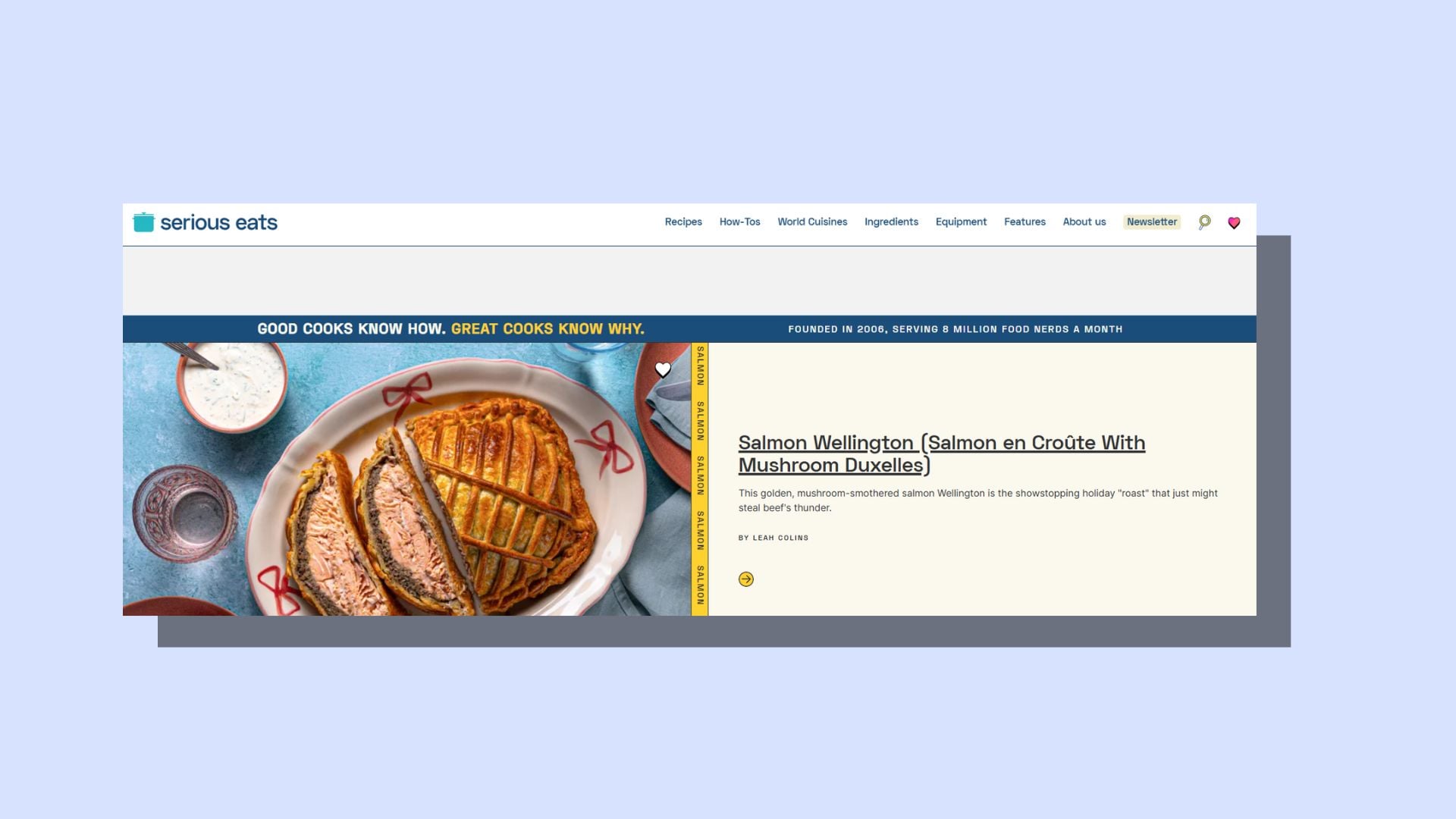
Serious Eats takes a test-kitchen approach to home cooking. Many recipes include side-by-side comparisons, controlled experiments, and clear explanations of why one method works better than another. The posts often link to deeper guides or technique articles, which help readers build confidence as they cook.
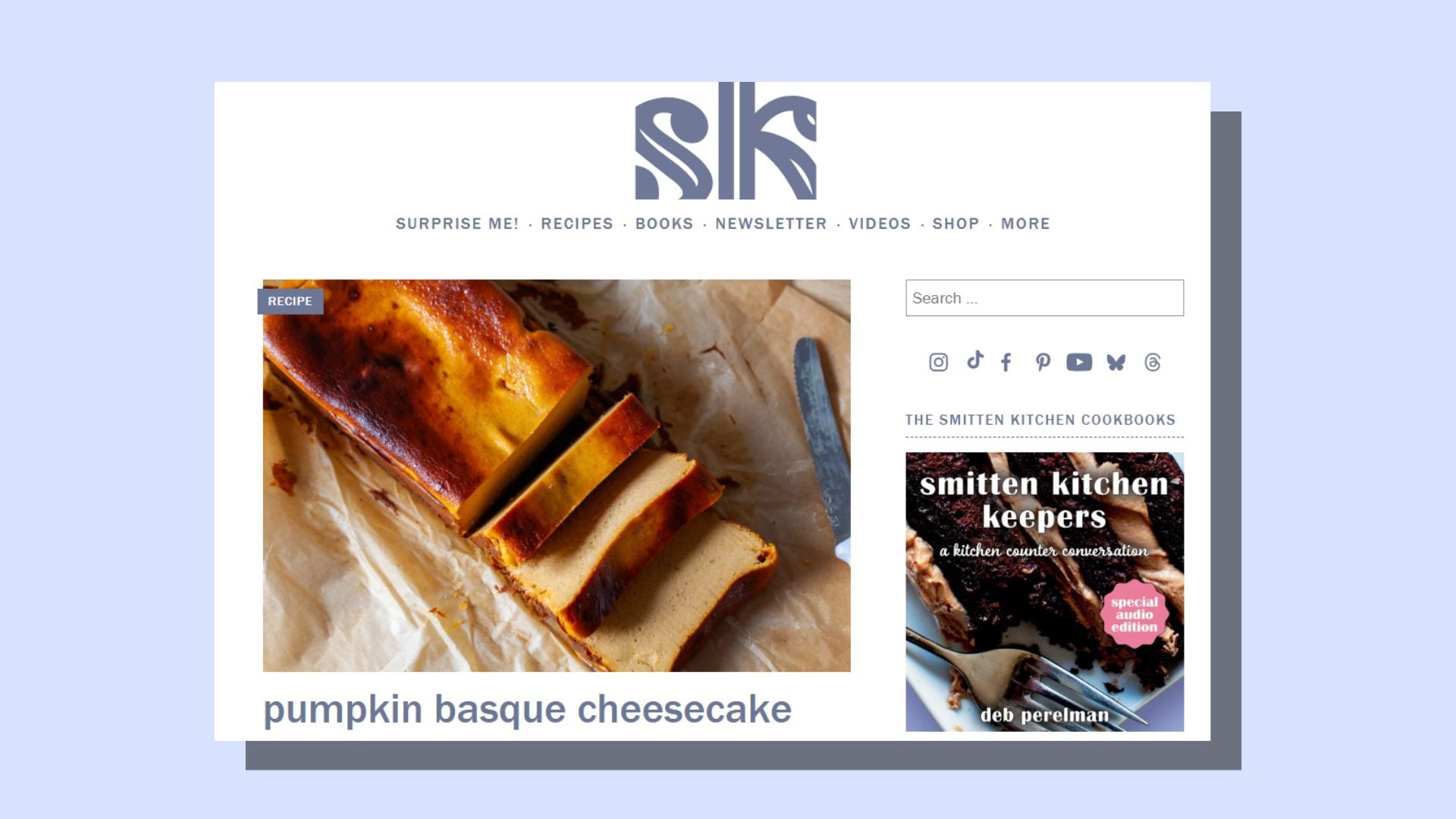
Smitten Kitchen leans more toward practical troubleshooting. Recipes often include notes about what might go wrong, ingredient swaps that actually work, and variations the author has personally tested. The writing feels conversational but precise, which makes readers feel supported rather than rushed.
Both sites build trust by showing the “why” behind a recipe, not just the steps. When readers understand the reasoning behind a technique, they’re more likely to return because they know the instructions won’t leave them guessing. It’s a different approach from budget-led blogs like Budget Bytes, which focus on cost-per-serving and accessible ingredients. Each style serves a different type of cook, and both can build loyal audiences for very different reasons.
Dietary niche leaders
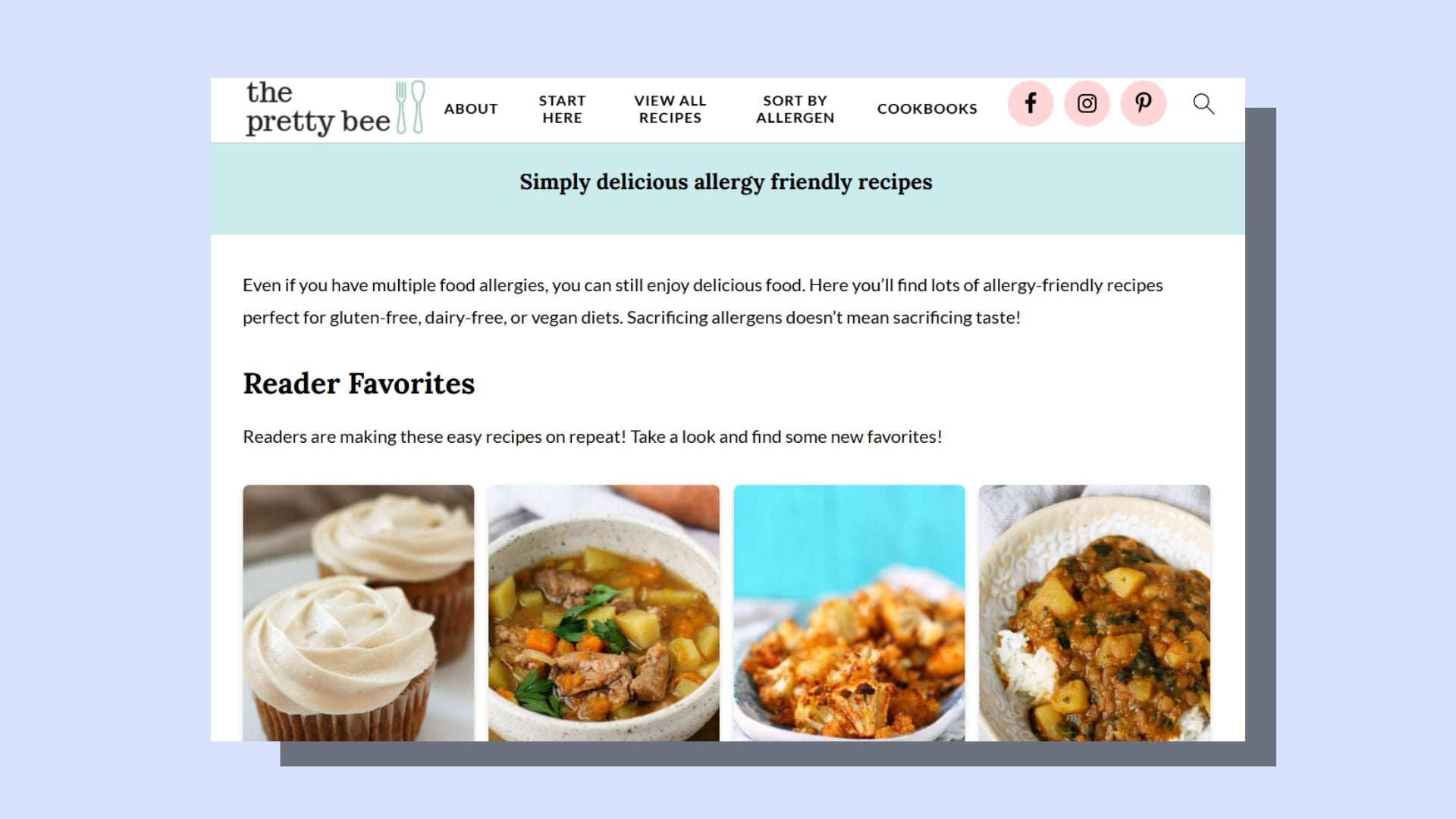
The Pretty Bee focuses on allergy-friendly cooking, often vegan, and makes substitutions incredibly clear. Ingredient notes, swap suggestions, and labelled sections sit right within the recipe card, so readers don’t have to dig through comments to figure out what’s safe. That level of clarity helps sensitive eaters cook confidently.
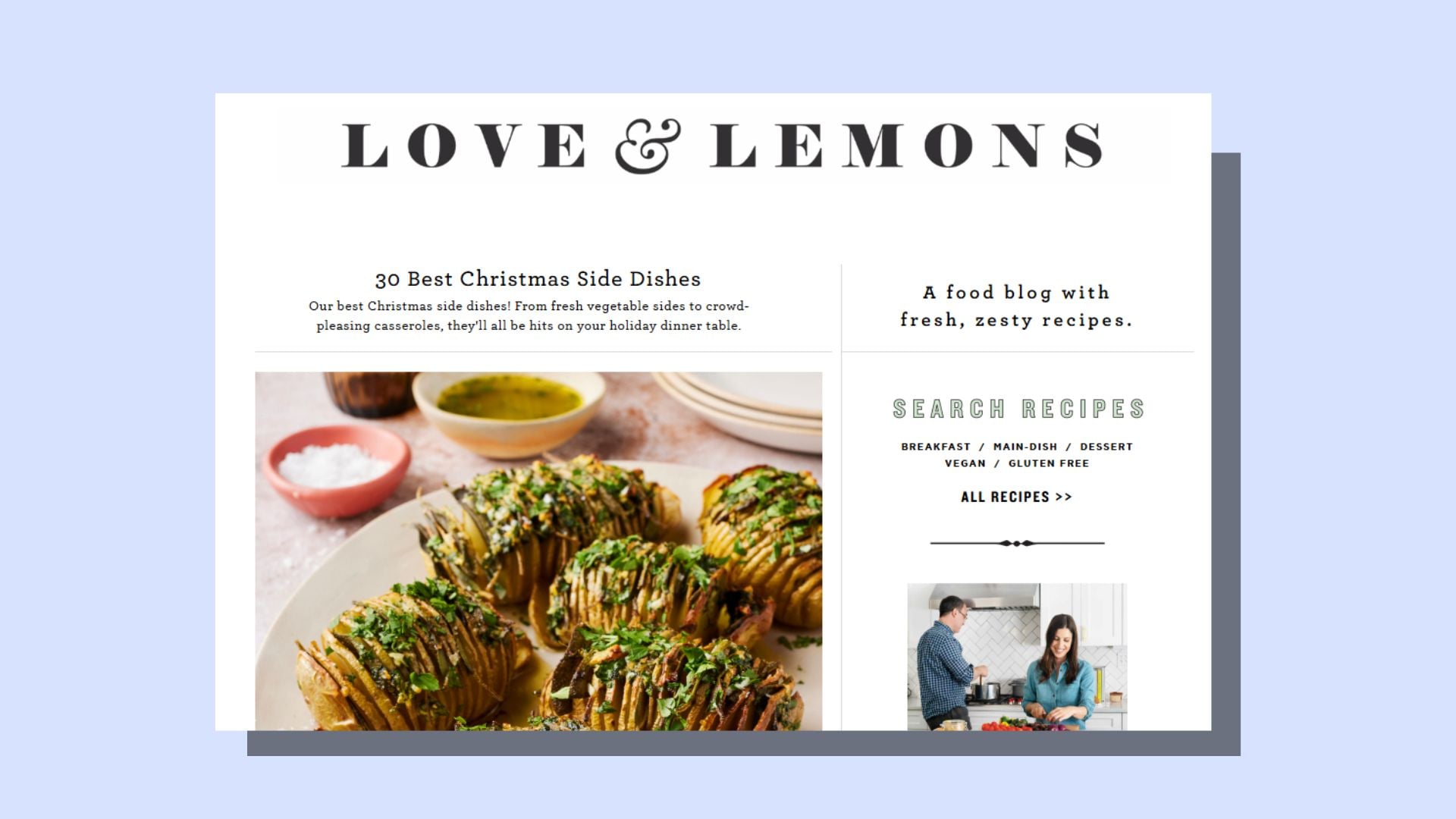
Love and Lemons serves plant-based and vegetable-forward cooks, pairing recipes with seasonal ingredient guides. Their posts often include quick “what’s in season” tips, visual step shots, and detailed notes about how to reuse leftovers. It creates a sense that the site isn’t just sharing recipes, but helping readers build a way of cooking.
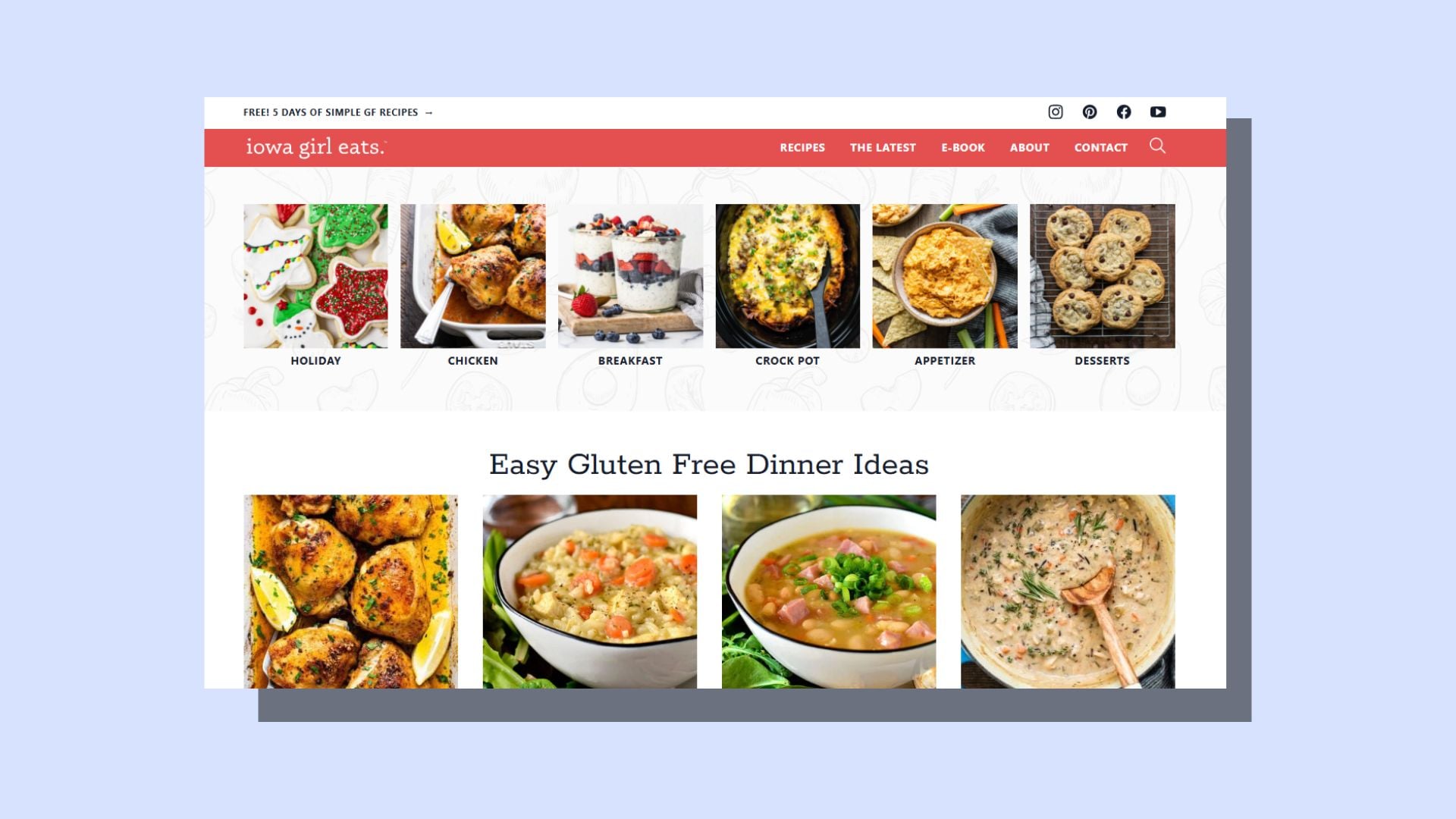
Iowa Girl Eats is entirely gluten-free after a personal diagnosis. The recipes are clearly marked, and many posts include personal context around the transition. That transparency builds trust, because readers know every dish is written by someone living the same dietary reality.
These blogs work because readers don’t have to wonder whether a recipe fits their needs. Everything is already adapted for them, which makes the sites feel safe and reliable to cook from.
Generalist hubs and beginner-friendly blogs
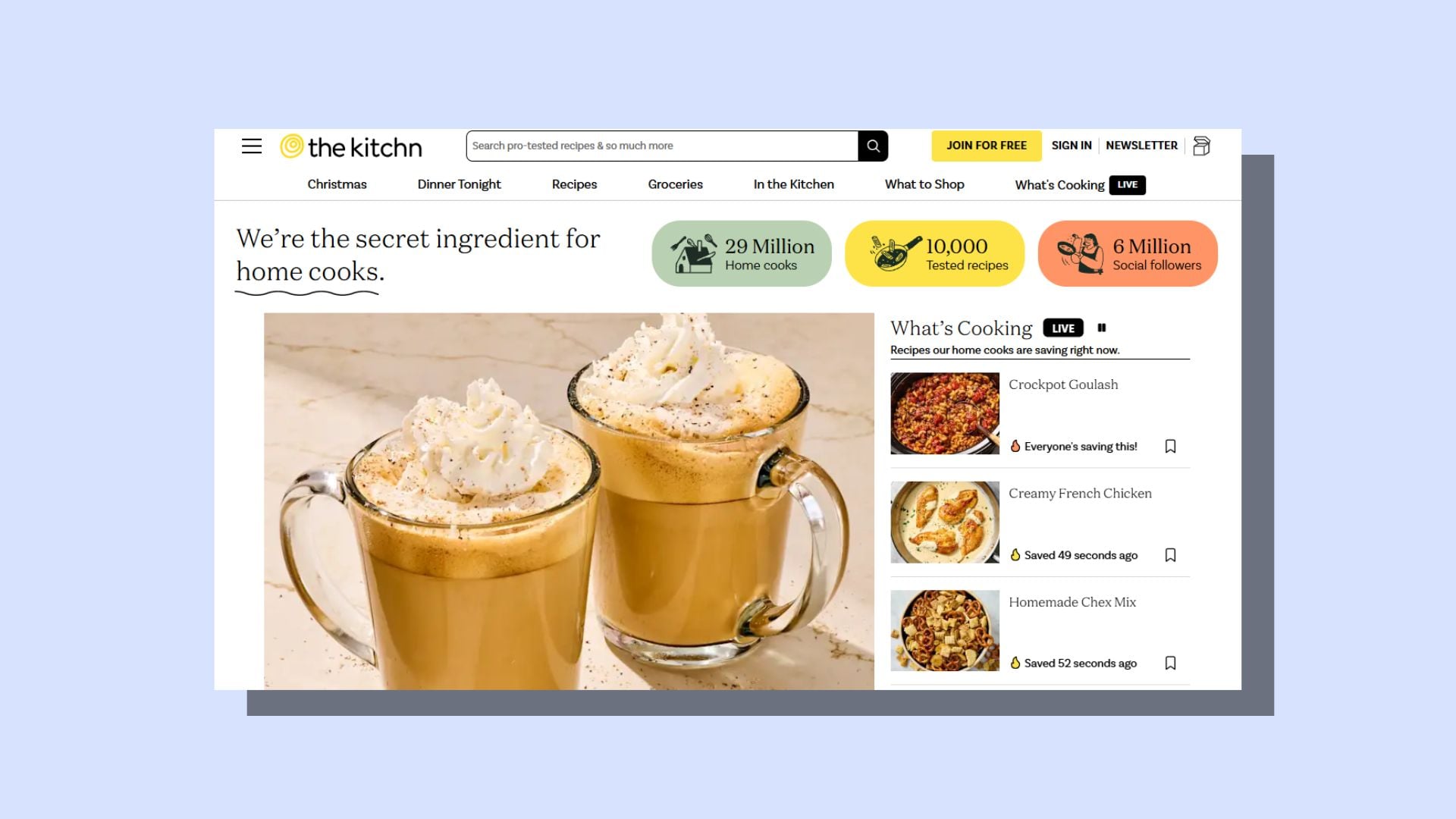
The Kitchn works as an all-purpose cooking reference. Alongside recipes, the site includes technique explainers, product reviews, and kitchen tips, all organized into clean sections that make it easy to jump between learning and cooking. It’s a site people return to when they want both a recipe and the context behind it.
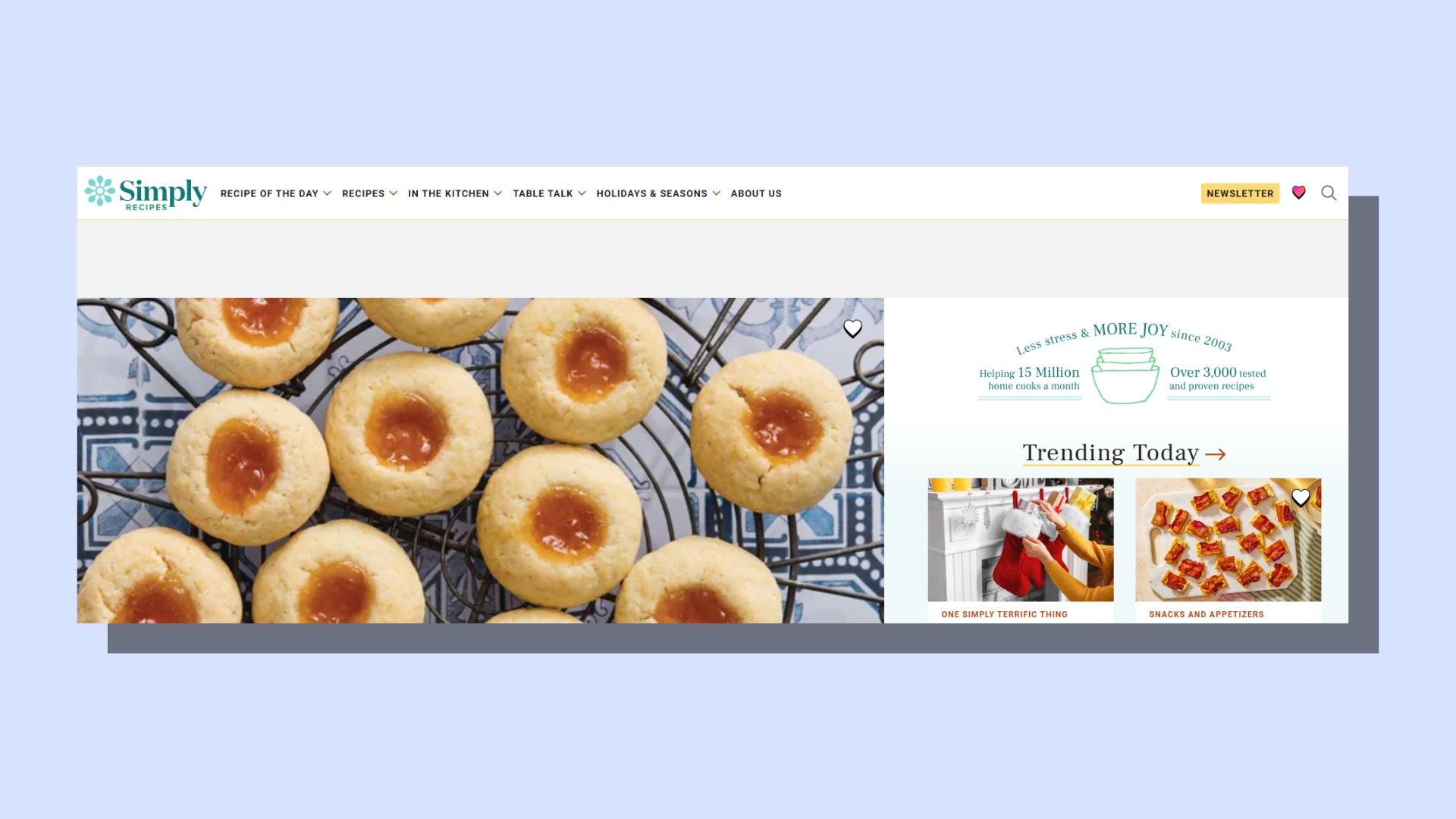
Simply Recipes aims for reliability across all skill levels. Each post includes clear steps, ingredient notes, and variations, and the photography is consistent enough that beginners know exactly what they’re aiming for. The tone is calm and supportive, which makes the site feel dependable for everyday cooking.
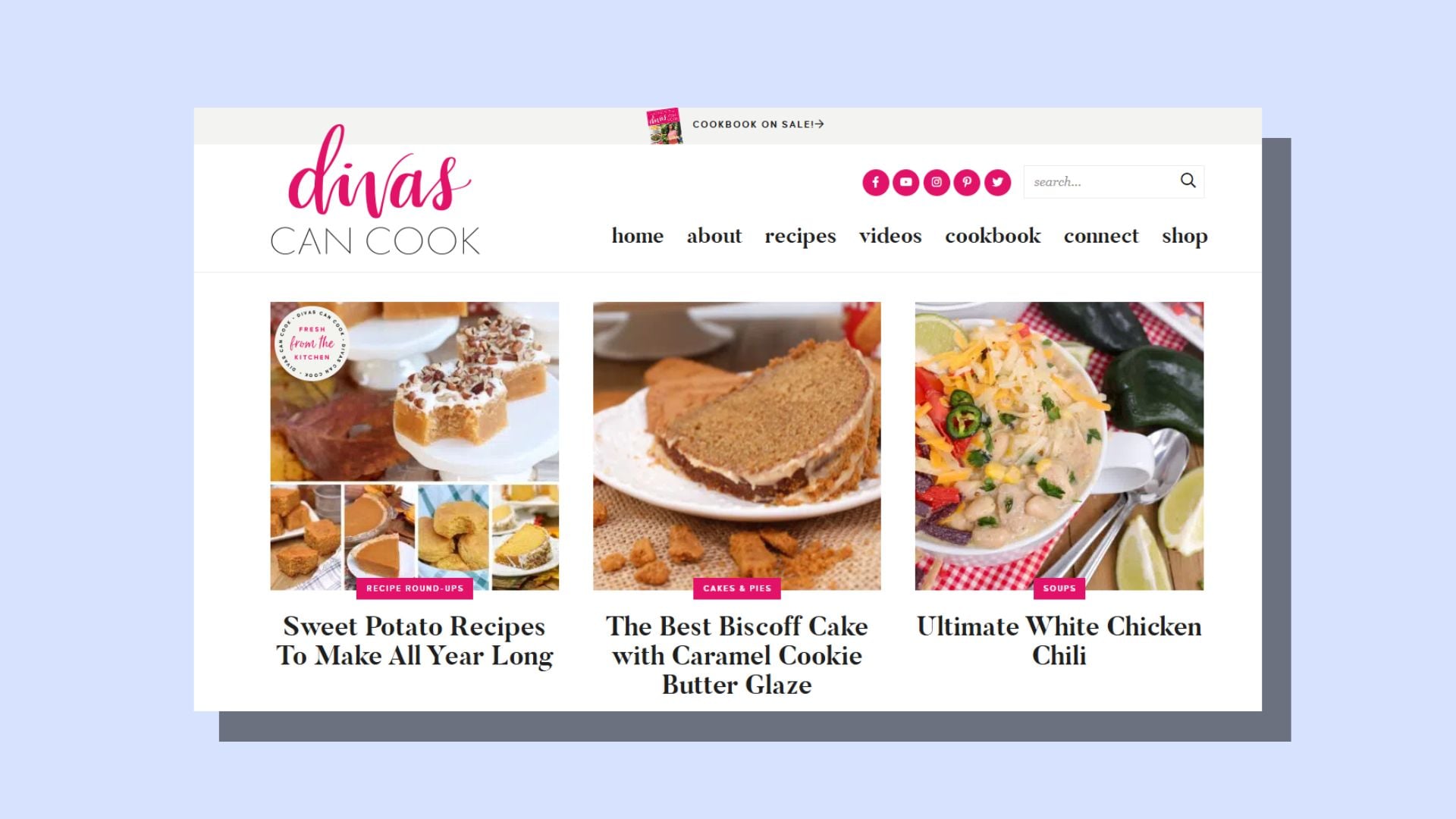
Divas Can Cook focuses on approachable Southern comfort recipes. The posts are written in a relaxed, playful voice, and the videos and step photos break down each dish so beginners don’t feel intimidated. It’s easy to trust a recipe when it feels like someone is talking you through it.
These sites work as a “first stop” for many home cooks because they cover a wide range of dishes without overwhelming people. And for readers who enjoy a strong personal writing style, Divas Can Cook stands out, because the conversational tone makes each recipe feel like a friend is showing you how it’s done!
The patterns successful food blogs share
Across all these examples, the same patterns keep showing up. Recipes are easy to read, with clear steps, helpful notes, and layouts that work well on mobile. Photography is consistent enough that readers know what to expect, and the voice feels steady from post to post. The sites are organised so you can quickly find what you need, whether that’s a technique guide, a seasonal recipe, or a specific diet. And behind the scenes, each blog has a clear niche or constraint guiding what they publish, which makes the whole experience feel more focused and trustworthy.
Recipe cards designed for cooking
The strongest food blogs make their recipe cards genuinely easy to cook from. Serving-size adjustment is a big part of that. When ingredients automatically scale up or down, like we’ve seen on sites such as Budget Bytes or Minimalist Baker, readers don’t have to do any mental math in the middle of cooking. Checkboxes are another small but helpful detail, letting people mark off steps or ingredients so they don’t lose their place.
You also may have noticed a Print Recipe button on some of these sites. A clean, ad-free print view gives cooks a simple version to bring into the kitchen without all the scrolling. And for international readers, unit-conversion toggles (cups to grams, Fahrenheit to Celsius) remove a lot of friction without forcing bloggers to create separate versions of the same recipe.
These little touches make all the difference! They make recipe cards feel calm, readable, and predictable – qualities that matter when someone is trying to follow along in real time. It’s no surprise these elements show up again and again on successful blogs.
For searchers wondering about great food blog design, the pattern is clear: clean recipe cards with serving adjustment, fast mobile performance, consistent photography, structured data for search visibility, and a steady visual style across posts.
The SEO foundation that drives search visibility
Most high-traffic food blogs rely on a solid SEO foundation built on structured data. Schema markup tells Google exactly what each recipe contains – ingredients, cook time, nutrition, ratings – so it can display your content in richer formats. Those rich snippets, with photos and star ratings, tend to attract more clicks than plain text results because readers can see at a glance whether the recipe fits what they need.
This matters even more now that Google shows AI Overviews for many recipe searches. When organic space shrinks, standing out visually becomes one of the few levers bloggers still control. A recipe with clear metadata, strong photos, and visible ratings is far more likely to draw a click.
Roundup posts benefit from schema, too. ItemList markup helps Google understand that a page contains a curated collection of recipes, which can make it eligible for carousel-style results like “15 vegan dinners” or “10 quick weeknight meals.” These features help roundup posts punch above their weight in search.
The thing is… the blogs that appear everywhere in Google aren’t lucky – they’re consistent about giving search engines the structure they need to understand and feature their content!
Visual consistency that creates recognition
Strong food blogs don’t always have the fanciest design, but they do look consistent from post to post. The recipe cards match the rest of the site, the colours and fonts stay steady, and the overall layout feels familiar. That repetition helps readers recognise your work instantly, even when they land on a single recipe through search or Pinterest.
Visual identity also shows up in the photography. You don’t need magazine-level shots or expensive equipment – most food bloggers work with natural light and a smartphone. What matters is keeping things steady: similar lighting, simple angles and consistent editing. Over time, that recognisable style makes your blog feel more put-together. It’s the difference between readers thinking “nice recipe” and “I know this blogger’s work!”
If you’re looking for inspiration, plenty of well-known blogs have a clear visual signature. Half Baked Harvest uses rich, moody lighting with layered styling. What’s Gaby Cooking goes bright and sunny, with a clean California feel. Pinch of Yum keeps things soft and approachable, with photography that feels warm and inviting. Each style is different, but all three are memorable because they stay consistent.
Small visual choices add up over time, and they help readers feel like they’re cooking with someone they know rather than a random recipe on the internet.
Content beyond recipes that earns trust
The strongest food blogs don’t stop at recipes; they build out the kind of supporting content that helps readers become better cooks. Simple kitchen guides like how to dice an onion or clean a cast-iron pan often bring in beginners through search, and they’re the kinds of pages that naturally earn backlinks over time. Equipment reviews and comparison posts can be surprisingly effective too, especially for affiliate searches where readers want a clear, honest recommendation.
Roundup posts also play a bigger role than many people realise. When you group recipes by theme – quick dinners, seasonal dishes, dietary needs – you create internal linking hubs that make your site easier to explore. These hubs help both readers and search engines understand what your blog is about.
Personal stories have their place as well. A blogger like Iowa Girl Eats built a stronger connection with readers by sharing her shift to gluten-free cooking after a diagnosis. It gives context to the recipes and makes the site feel more human.
For anyone wondering what top food blogs publish besides recipes, the pattern is consistent: kitchen technique guides, substitution charts, equipment reviews, meal prep strategies, themed roundups, and personal stories that show the real cook behind the site.
Building your cooking journey with WP Recipe Maker
The patterns you see on successful food blogs are much easier to build with the best tools. WP Recipe Maker covers basically everything you might need: clean recipe cards with serving adjustment, unit switching, and print views; automatic structured data for search visibility; and consistent styling through its Template Editor so every recipe feels on-brand. It also supports roundups, technique posts, and dietary notes, helping you shape the same reader-friendly experience you see on the blogs above, without stitching together a long list of plugins.
Templates and content strategy tools
WP Recipe Maker takes care of the design and management side of your recipe content so you can spend more time actually creating the dishes your readers come for. The template editor is where most bloggers feel the immediate relief because you can rearrange recipe card elements, adjust colours, update typography, or simplify layouts without touching code. Once you set your preferred style, every recipe automatically follows the same pattern, which gives your blog the visual consistency readers recognise.
Affiliate work becomes easier, too. Equipment links live in one central place, so if you update an affiliate URL or switch products, you can change it once and have it ripple across every recipe that uses that tool. This supports the equipment guides and review posts that often become reliable sources of affiliate income as your traffic grows.
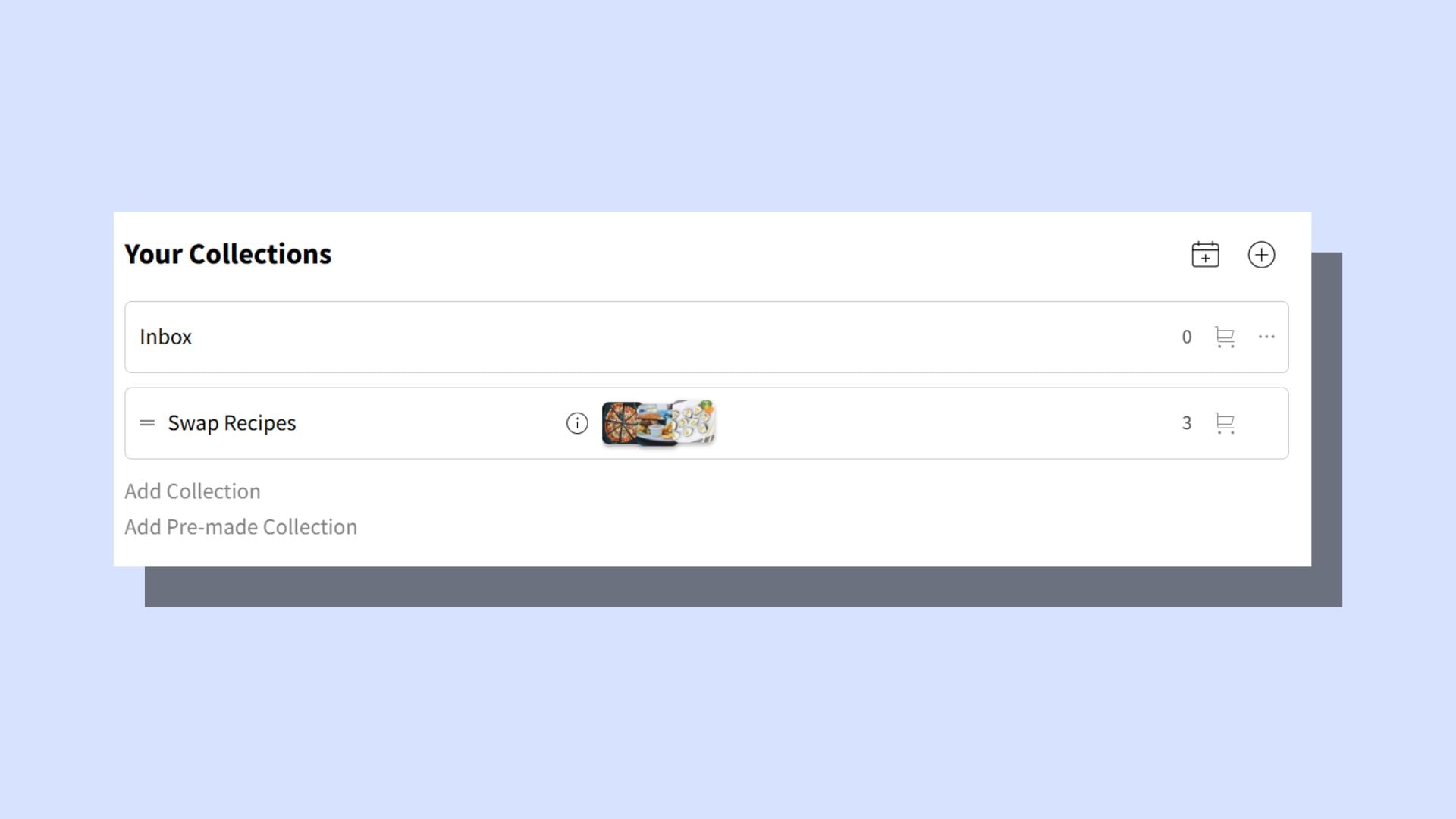
Recipe Collections add another layer to your content strategy. They empower your readers to create their own collections, grouping recipes into themes like weeknight meals, holiday menus, or meal prep ideas. This feature encourages exploration beyond a single post, as visitors can curate their own pathways through your blog. Many cooking sites leverage this pattern to enhance reader engagement, as it allows users to create a personalized experience and return to your blog for new collections they’ve built.
Put together, these tools support the same strengths you see on successful food blogs: consistent branding, scalable affiliate infrastructure, and features that encourage people to come back rather than treating each recipe as a one-off visit.
Recipe cards built for cooking
At some point, every food blogger learns that recipe cards need to work in real kitchens, not just look tidy on a screen. WP Recipe Maker keeps that in mind with features that remove the small points of friction cooks run into every day.
Adjustable servings are one of the most noticeable. Change the serving size and the ingredient amounts update automatically – the same pattern you’ll see on blogs like Budget Bytes or Minimalist Baker. It saves people from doing mental math while they’re stirring a pot or prepping ingredients.
Ingredient checkboxes add another layer of practicality. Readers can tick off items or steps as they go, which helps prevent the classic “wait… did I add the garlic already?” moment, especially when following a recipe on mobile.
WP Recipe Maker also generates a clean, ad-free version of each recipe for printing, and readers can choose whether to include images. Optional QR codes link back to the original page, turning printed recipes into a quiet discovery channel when they’re shared.
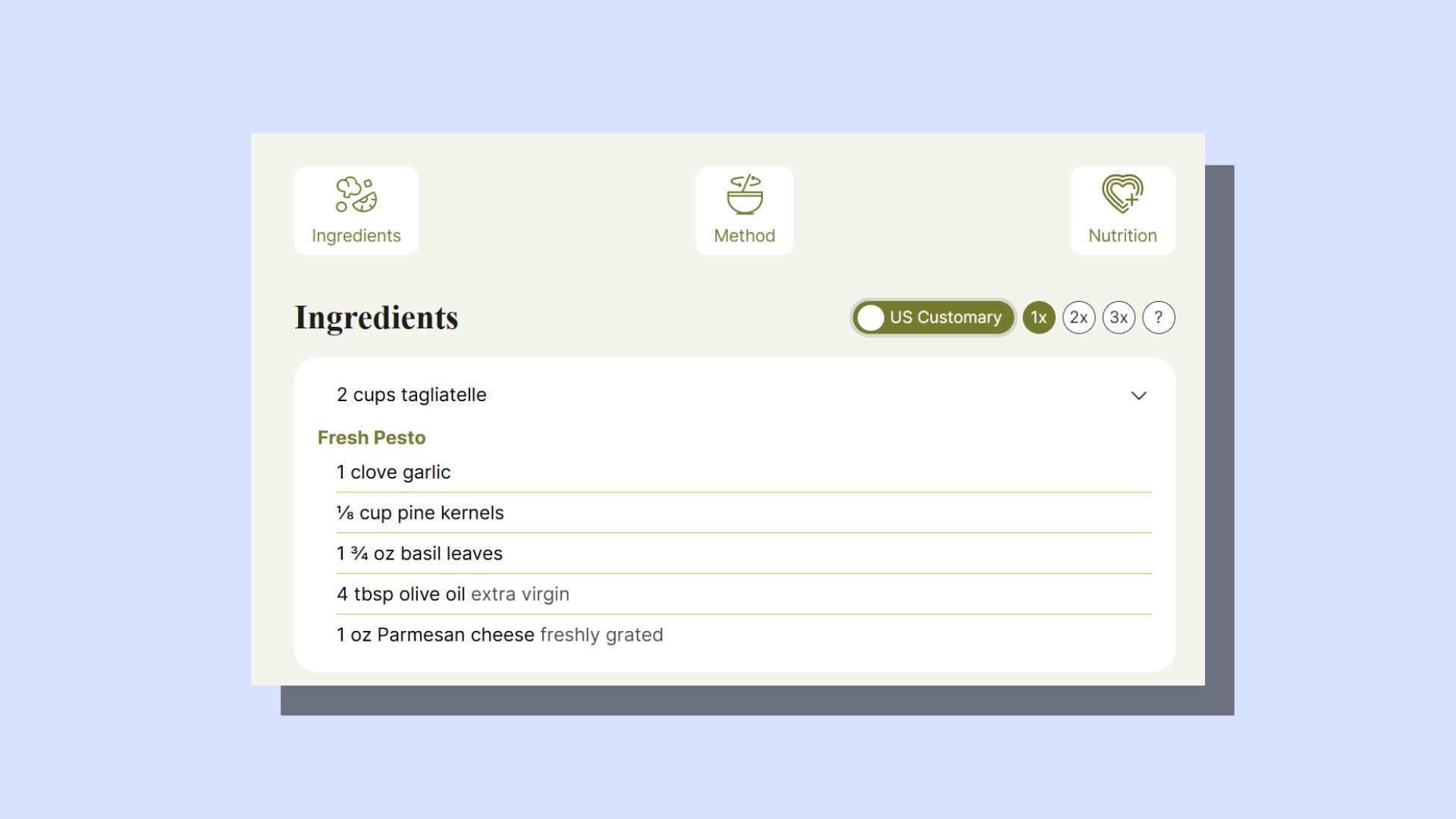
For international cooks, unit conversion toggles keep things simple. Readers can switch between cups and grams, or Fahrenheit and Celsius, without you having to create separate versions of the same recipe. It’s the same experience allergy-friendly bloggers like The Pretty Bee offer – one card that works for everyone.
WP Recipe Maker also includes features like integrated timers to keep cooks on track and avoid overcooking. This functionality means every step in your recipe is done to perfection, adding further value to your readers’ cooking experience!
Schema markup that earns search visibility
Design and UX matter a lot, but they only help if people can actually find your recipes. WP Recipe Maker quietly handles the technical side so your content is eligible to show up in richer formats in Google.
Every recipe includes JSON-LD structured data in Google’s preferred format, added automatically in the background. That metadata covers things like ingredients, cook time, nutrition, and ratings, so you don’t have to maintain separate markup or worry about missing fields that could break rich snippets.
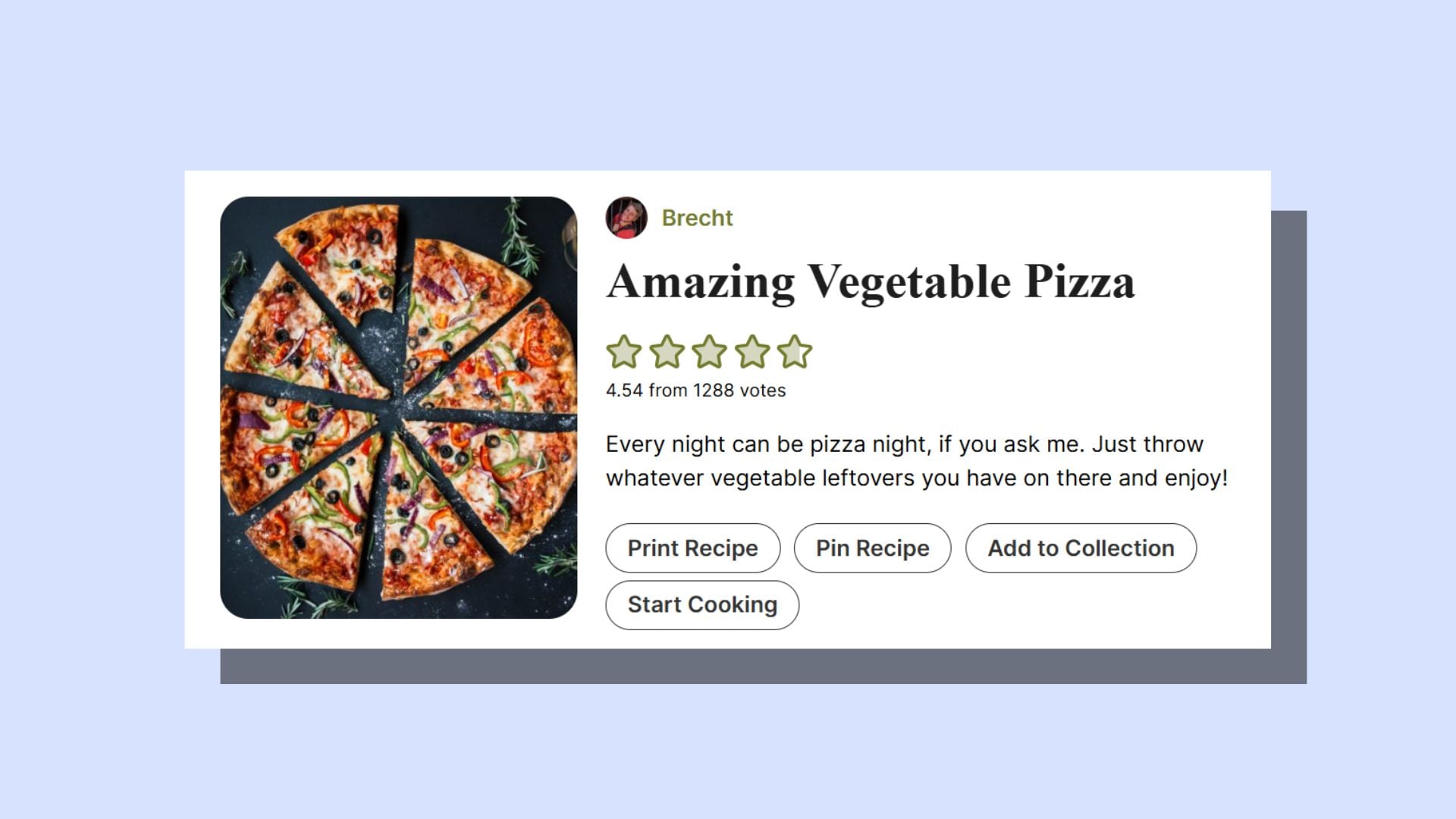
Star ratings are part of that story, too. When readers leave a rating and comment through the recipe card, WP Recipe Maker can include those reviews in the metadata. That helps your recipes qualify for snippets with photos and stars, which typically attract more attention than plain blue links – especially now that AI Overviews often push organic results further down the page!
Roundups are covered as well. Use WP Recipe Maker’s roundup tools, and it will output ItemList schema for posts like “15 vegan dinners” or “weeknight pasta recipes,” making them eligible for carousel-style displays in search.
All of this runs automatically while you focus on testing and publishing recipes. You get the same kind of structured presence you see when you search for popular food blogs, without having to learn SEO markup yourself.
Build these patterns into your blog today
The blogs you’ve seen here succeed because they focus on a clear niche, make their recipes easy to cook from, and publish content that helps readers beyond a single dish. You can start applying those same patterns right away.
Choose one constraint that fits the kind of cooking you know best – cost, time, dietary needs, or technique. Make your recipe cards practical with serving adjustment, clean print views, and reliable structured data so your posts show up properly in search. Keep your visual style consistent across posts so readers recognise your work, and build supporting content like technique guides or roundups to deepen trust.
Don’t overwhelm yourself! You don’t need to do everything at once. Start with the pieces that make cooking easier for your audience, then grow from there.
If you want a simple way to put these patterns in place, try out WP Recipe Maker today! It gives you the tools to create clear, consistent recipe cards and the structure your blog needs to grow.