
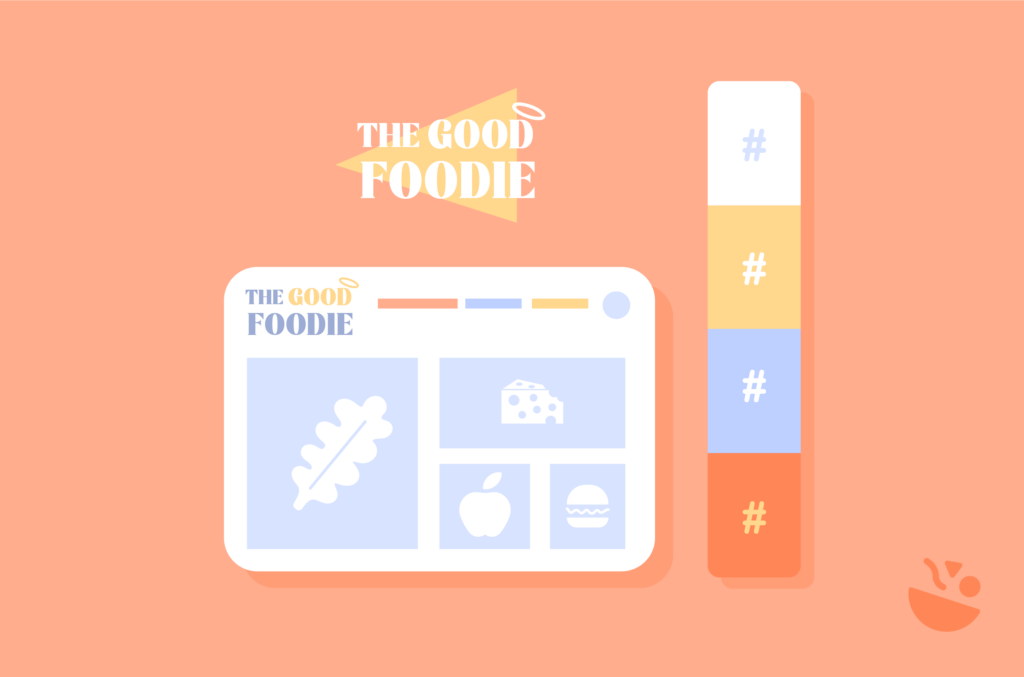
Food blogging isn’t just about posting a great lasagna recipe anymore. It’s about creating a whole vibe. One where your readers recognize your recipe cards on Pinterest, your voice in every newsletter, and your photo style before they even see your name.
Standing out in a feed full of flaky croissants and viral feta pastas means building something more intentional than just “a nice-looking blog.” You need a brand – one that feels like you and keeps people coming back for seconds.
We’re going to show you how to build that brand from the ground up: the visuals, the voice, the consistency, and the tools that help bring it all together!
What is branding, and why is it important?
Food blog branding is basically your blog’s personality, and no, it’s not just your logo slapped on a cute header. It’s the full shebang. From the colors you use and how your food photos are styled, to the way you write your recipe introductions (yes, even the ones that start with “My grandma made this every Sunday”), branding ties everything together into a look and feel that’s unmistakably yours.
It’s what makes readers scroll through your site and go, “Ooh, I love this place.” It builds trust, sets expectations, and helps your content stand out in a sea of identical pasta bakes. And when it’s consistent across your blog, social media, and emails, it can increase reader loyalty by up to 23%.
So, what does good branding actually look like? It’s your visual identity: your logo, color palette, fonts, and photography style. It’s also your voice: whether you’re chatty, straight-talking, or quietly poetic. It’s your values, like celebrating seasonal produce or making cooking feel less intimidating.
But most of all, it’s knowing what makes your blog yours. That’s what people connect with and why they’ll keep coming back for seconds!
How to build a brand for your food blog that sticks out
Standing out isn’t about picking a cute font and hoping for the best. It takes intention. The choices you make – your style, voice, values – should all work together. When you build from a clear foundation, everything else falls into place, and your blog starts to feel instantly recognizable!
1. Define your unique brand identity and niche
If you try to speak to everyone, you end up speaking to no one. Figuring out your niche is what helps the right people find you and stick around. Start by thinking about who you’re actually trying to reach. Are they beginner cooks? Plant-based eaters? People trying to feed a family on a budget? Get as specific as you can.
Then, ask yourself: what makes your blog different? Maybe it’s your photography style, the types of recipes you share, or your own personal take on food. Write a simple mission statement that sums up what you’re about, and jot down a few core values that guide what you post (like using seasonal ingredients or keeping things doable on a weeknight).
And don’t forget to think big – what do you want your blog to grow into? Having that vision makes every other decision a little easier!
2. Create a memorable logo and visual elements
Before anyone reads a word of your blog, they see it, so your visual identity has to make a solid first impression.
A great food blog logo finds the sweet spot between looking delicious and showing off your personality. That might mean designing one yourself in Canva (which is totally doable) or hiring someone to create something custom. Most blogs go for either a wordmark (just your blog name in a distinctive font), a symbol (like a whisk, cupcake, or bowl), or a combo of the two. Just make sure it looks good everywhere – from a teeny-tiny browser tab to your Pinterest profile.
Consistency is so important across all your visuals. That includes:
- A photography style (same lighting, similar props, same editing vibe).
- Graphic accents (like hand-drawn icons or borders you use repeatedly).
- Custom recipe cards that match your look and feel.
- A set of icons or illustrations that bring a bit of fun and personality.
Create some basic style rules for yourself and stick to them. The more visually consistent your blog is, the easier it is for readers to recognize – and trust – you.
3. Choose the right color palette and fonts for your brand
Colors and fonts might seem like small details, but they do a lot. A family-friendly blog with playful bakes might lean into bright, cheerful colors. A minimalist, gourmet vibe might go for muted tones and clean lines.
When picking your palette, use colors that reflect your blog’s mood but also work well together. Warm colors like reds and oranges can spark appetite, while greens often signal freshness or health. Just keep it balanced – too many bold colors can feel chaotic, and too little contrast can be hard to read.
Typography is just as important. How do you feel about Comic Sans? If you cringe – then that is the power of fonts, ladies and gentlemen. Stick with two (max three) fonts that are easy to read and work well together. Choose one for headings, one for body text, and make sure they both reflect your tone – casual, classy, rustic, whatever fits you.
Once you’ve got your colors and fonts down, use them everywhere: your recipe cards, your site design, your Pinterest graphics. That consistency builds recognition and gives your blog a polished, professional feel without being overdone!
4. Develop a cohesive content strategy for brand consistency
Your content is almost everything. It’s your voice, your point of view, your “I swear by this shortcut” energy. But without a bit of structure, it can get a bit chaotic.
Start by figuring out what you want to be known for. Maybe it’s big-batch freezer meals for tired parents, or nostalgic desserts with a modern twist. Stick to a few core themes that feel like your comfort zone, and build your content around those. It helps readers know what to expect and gives you way fewer blank-page moments.
Your voice matters too. Whether you’re sarcastic, sentimental, or super technical, lean into it. Readers don’t just want recipes – they want to hear from you. Remember that a little planning goes a long way. Batching content, using an editorial calendar, and setting up a style guide for how you write measurements or list ingredients can save your future self a lot of stress.
Creative freedom is great. But a bit of consistency will help balance it all out.
5. Build a visually appealing, user-friendly website
Think of your blog like your kitchen. If it’s cluttered, slow, or hard to get around, no one’s going to want to hang out in it, no matter how good the food is.
A clean, easy-to-use site makes all the difference. Your categories should make sense (no one wants to dig through six menus to find banana bread), and your homepage should tell people exactly what you’re about. Highlight your best stuff, pop in a welcome message, and make your email signup feel like an invitation, not an afterthought.
And speed matters – like, a lot. If your site takes longer than a few seconds to load, readers will bail before they even see your gorgeous photos.
Speaking of photos: keep them consistent. Same sizes, same editing style, same lighting vibes. It’s not about being perfect, it’s about feeling intentional. Branded recipe cards also help pull everything together, especially when they include things like nutrition info and a print button (because yes, people still print recipes).
Need some more inspo? Check out our examples of beautiful websites without clutter or our seven food blog design trends that boost engagement!
Create on-brand recipe cards with WP Recipe Maker for maximum impact
Your recipe card is often the most viewed, most shared, and most saved part of your blog post – so it’s got to do more than list ingredients. It should look like it belongs to you.
WP Recipe Maker is one of the most popular WordPress plugins for food bloggers. It gives you everything you need to create sleek, professional recipe cards that match your brand, without needing to write a single line of code. The Template Editor lets you customize every part of your recipe card (colors, fonts, layout, icons) so your branding stays consistent from your homepage to Pinterest.

The mobile-friendly templates and SEO optimized right out of the box, which means your recipes aren’t just easy on the eyes – they’re easy to find on Google too. And since WP Recipe Maker integrates with popular page builders, it works smoothly within your existing workflow.
Whether your style is cozy and rustic or clean and modern, your recipe cards should reflect that. WP Recipe Maker lets you align your visuals with your voice, so every recipe looks and feels like yours. Plus, when readers pin or print your recipes, your branding goes with them, keeping your blog top of mind.
| Who is using WP Recipe Maker? Gimme Delicious Layla’s blog is packed with bold, flavorful recipes that are quick enough for weeknights but always impressive. With WP Recipe Maker, her recipe cards stay clean, colorful, and easy to follow – perfectly matching her blog’s polished style and helping millions of readers cook with confidence. The Country Cook Brandie’s all about no-fuss comfort food that feels like home. From crockpot classics to biscuits and gravy, her recipes are approachable and family-friendly. WP Recipe Maker helps her keep everything organized, printable, and consistent – so her readers always know they’re in good hands! |

If you want to make a great first (and lasting) impression, this is the tool that ties your branding together beautifully.
6. Maintain brand consistency across platforms
Your blog isn’t the only place your brand lives. Whether you’re posting recipes on Instagram, sharing kitchen hacks on TikTok, or sending out your latest meal plan via email, keeping your branding consistent everywhere helps build recognition and trust with your audience.
Of course, each platform has its quirks. Instagram wants high-quality, eye-catching photos with a consistent filter and composition style. Pinterest loves tall, search-optimized graphics with clear text overlays. TikTok is for short, authentic videos. And for email newsletters, a familiar header, clean layout, and friendly tone go a long way in making your content feel “on brand.”
A smart move would be to create templates you can tweak for each platform. Same fonts, same color palette, same logo placement – just adapted to fit the format. That way, no matter where someone discovers your content, it all still feels like you. As we mentioned before, you can do this on sites like Canva super easily and for free, too!
| Content ideas 💭Turn a recipe post into a step-by-step Instagram carousel. Crop a stunning photo for a vertical Pinterest pin. Show the prep process in a quick TikTok video. Pull the highlights into a newsletter. |
7. Use storytelling and your personal touch to stand out
“Recipes bring people in – but it’s the stories behind them that make readers stay.” That’s something we hear often from the WP Recipe Maker community, and it couldn’t be more true.
Your readers might land on your blog for the perfect banana muffin recipe, but what keeps them coming back is you. Your voice. Your point of view. The way you describe how your grandfather always added nutmeg “just because.” That kind of personal detail builds emotional connection, and that’s what transforms a casual visitor into a loyal fan.
Great storytelling ties your recipes to something deeper. Maybe it’s a memory, a bit of cultural heritage, a seasonal ritual, or even a practical solution to a common kitchen headache. Blogs like Smitten Kitchen and Half Baked Harvest are brilliant at this – they make you feel like you’re cooking with a friend, not just following steps!
The trick here is to make your stories match your voice. You might lean into humor, nostalgia, or a more instructional tone. Whatever feels natural, keep it consistent. Use those stories throughout your content, not just in posts: in recipe headnotes, your About page, and even your Instagram captions. It all helps build a brand that feels human, not generic.
| If you need some help getting started, we have a whole collection of helpful guides that can help with your branding: How to craft unique narratives in creative food writing. Food blogs and the intent behind lengthy stories. The art of recipe writing: Strategies for success. The art of engaging: Creative food quotes for food bloggers. |
8. Evolve your brand as your blog grows
No food blog stays the same forever, and that’s a good thing. Growth is part of the process. But evolving your brand doesn’t mean starting from scratch. It’s about refining what already makes you you, so your blog stays relevant without losing its original charm.
Maybe your audience has shifted, or your recipes have expanded beyond your original niche. Maybe your blog design feels a bit… 2017. Or maybe engagement is dipping, and your content isn’t resonating as well as it used to.
That’s your cue to tweak things, like updating your photography style, adding new content categories, or giving your branding a cleaner look. Tools like WP Recipe Maker make it easier to stay organized as you grow, with features that let you group content into clear topic clusters.
When you’re ready to evolve, take it step by step:
- Do a brand audit and look for inconsistencies.
- See what others in your niche are doing – then do it your way.
- Ask your readers what they love most about your blog.
- Decide whether you’re doing a subtle refresh or a full-on rebrand.
And most importantly, bring your readers along. Share your process, explain what’s changing, and update your style gradually so nothing feels jarring. Evolution, not reinvention, is the name of the game.
We’ve got a full guide on how to become a food blogger and build a brand that grows with you!
Start your food blog branding journey today
Your blog’s brand doesn’t have to be perfect right away. It just needs to feel like you. As you grow, so will your style – and that’s part of the fun. Whether you’re choosing your first color palette or tweaking your logo after years of posting, every small decision helps shape how readers see (and remember) your blog.
Tiny changes like simplifying your fonts or refreshing your recipe cards can make your blog feel really cohesive. And when everything looks and sounds consistent, readers are more likely to stick around, subscribe, and come back for more!
If you’re ready to give your recipe cards a fresh look that actually fits your style, WP Recipe Maker makes it not only easy, but fun to do, too! No stress, no code, just beautifully branded recipes that work across your whole site. Try it out and see how much easier (and better) branding can feel.
