
Ashley Fehr runs The Recipe Rebel, a food blog focused on easy, family-friendly meals made mostly from scratch using simple ingredients. Alongside quick dinners, the site also covers desserts, baking, appetizers, and drinks.
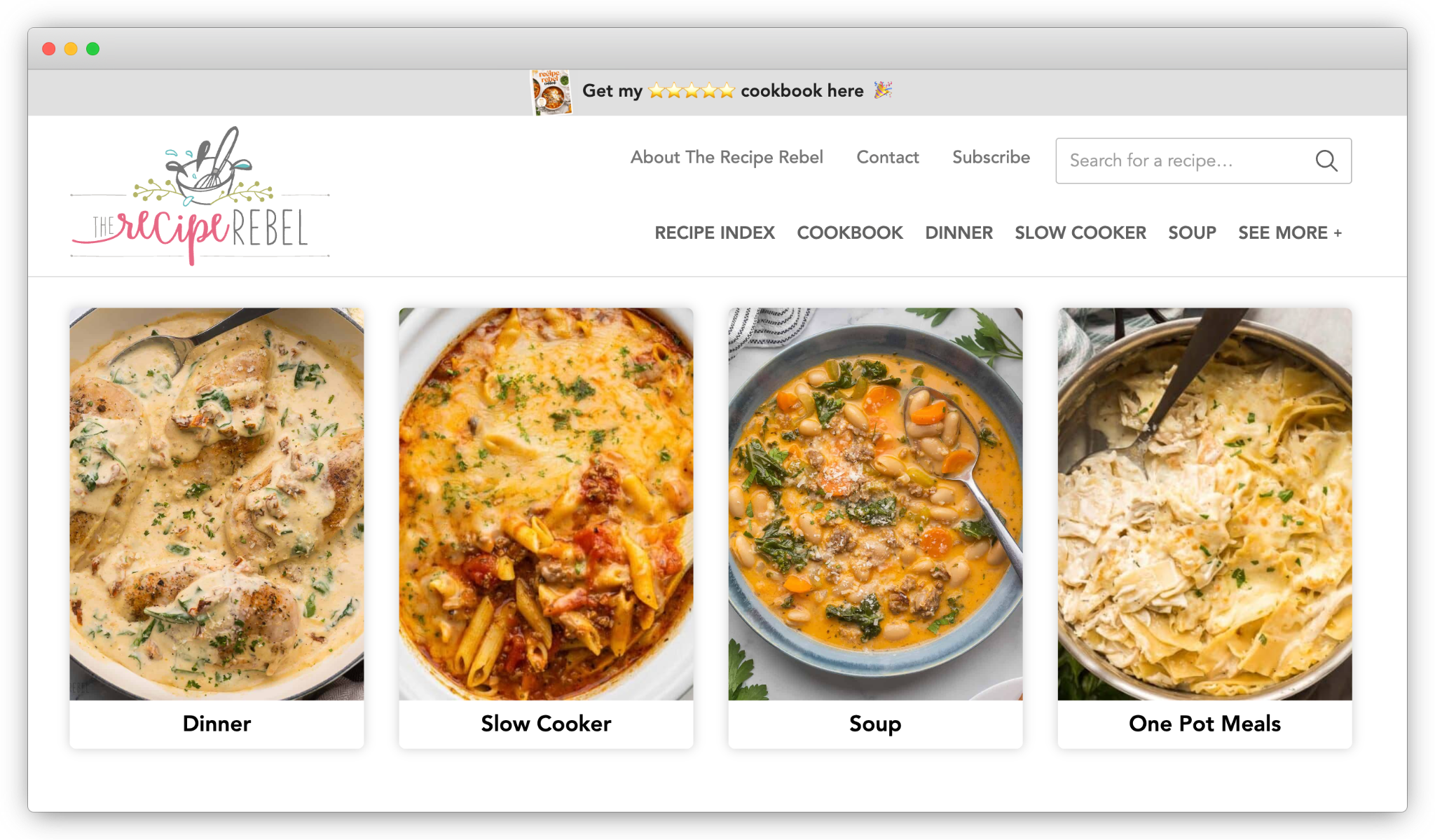
Her audience is made up of busy home cooks who want something practical: recipes that are easy to follow, reliable, and actually get eaten by the whole family.
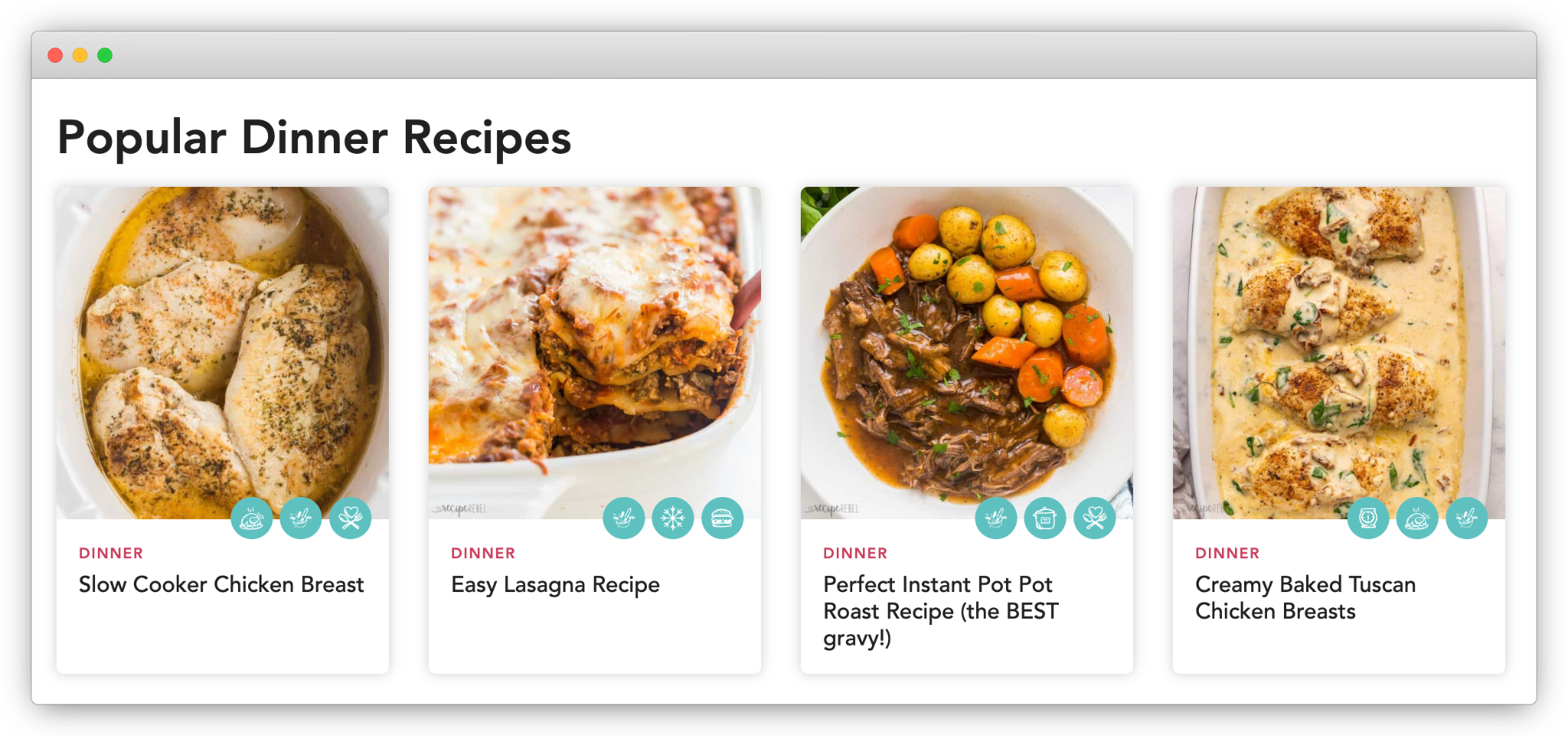
The site runs on an ad-supported model, with the recipe card layout tailored to fit ad network recommendations. Everything is powered through a single WordPress site using WP Recipe Maker.
| Site | The Recipe Rebel |
| Creator | Ashley Fehr |
| Niche | Easy, family-friendly meals made mostly from scratch with simple ingredients. |
| Audience | Busy home cooks looking for approachable, no-fuss meals the whole family will eat. |
| Business model | Ad-supported. |
| Content focus | Primarily easy dinners, with additional recipes for desserts, baking, appetizers, and drinks. |
| WP Recipe Maker setup | Single site running on WP Recipe Maker. |
What is The Recipe Rebel and who reads it?
The Recipe Rebel is built around one core idea: dinner should not be complicated.
Most of the content focuses on easy dinner recipes and comfort food that families will come back to again and again. There is some variety across desserts, baking, drinks, and appetizers, but quick and approachable meals are what drive the site.
Readers are not looking for something fancy or time-consuming. They want meals they can trust, with clear instructions and predictable results. The kind of recipes that work on a busy weeknight without a lot of planning.
Why did Ashley choose WP Recipe Maker?
For Ashley, choosing tools for her site is not something she takes lightly. The Recipe Rebel is her main source of income, so every decision needs to support that. She approached it with a simple mindset: use what works best, and do not cut corners.
“My website is the main revenue-earning part of my business, so I choose what seems to be the ‘best in the business’ as much as I can.”
WP Recipe Maker stood out early on, largely because of its reputation among other food bloggers. It was already widely used and consistently recommended by people running similar sites. That trust carried weight, but support made the difference.
“WP Recipe Maker had a great reputation with other website owners, and Brecht was always quick to respond, help troubleshoot and offer updates when needed.”
Knowing there was someone behind the plugin who could respond quickly, fix issues, and keep things updated gave her confidence that the site would stay stable long-term.
And for a business that depends on publishing recipes consistently, that reliability matters just as much as features.
That stability extends to how the plugin fits into her publishing routine.
How does a recipe go from notebook to published?
Ashley’s workflow is simple, but it’s built around how recipe development works in real life.
It starts offline. During testing, she writes everything out by hand in a notebook. That gives her space to tweak ingredients, adjust timings, and make sure the recipe works before it ever touches WordPress.
Once she’s happy with it, those notes get transferred into a draft post with a recipe card. The structure is set up early, but the post is not finished yet. It sits there while the rest of the process catches up.
“I write out my recipes in a notebook when I’m testing them, then transfer it to a draft post in a recipe card. A month or two later it is time for the final shoot and after I have the photos edited I then have the post written and filled in.”
The final step comes later. Usually, a month or two after testing, she completes the photo shoot, edits the images, and then finishes writing the post before publishing.
Nothing is rushed. Each recipe moves through testing, drafting, and visuals at its own pace.
WP Recipe Maker fits into that process naturally. The recipe card is built early on, so everything is already structured and ready. When it’s time to publish, it’s just a matter of filling in the final details rather than starting from scratch.
Which features does Ashley rely on?
Ashley’s approach to features is simple. She focuses on what her readers actually use, and what helps them cook with confidence at home. The features she relies on most reflect that:
- Star ratings, which help recipes stand out in search and give new visitors a quick sense of what others think.
- Adjustable servings make it easy for readers to scale recipes up or down depending on their household size.
- Roundup posts, which group recipes into clean, easy-to-browse collections.
As she puts it:
“Ratings are incredibly important for search rankings and so that other people coming to the site can see how others enjoyed the recipe.”
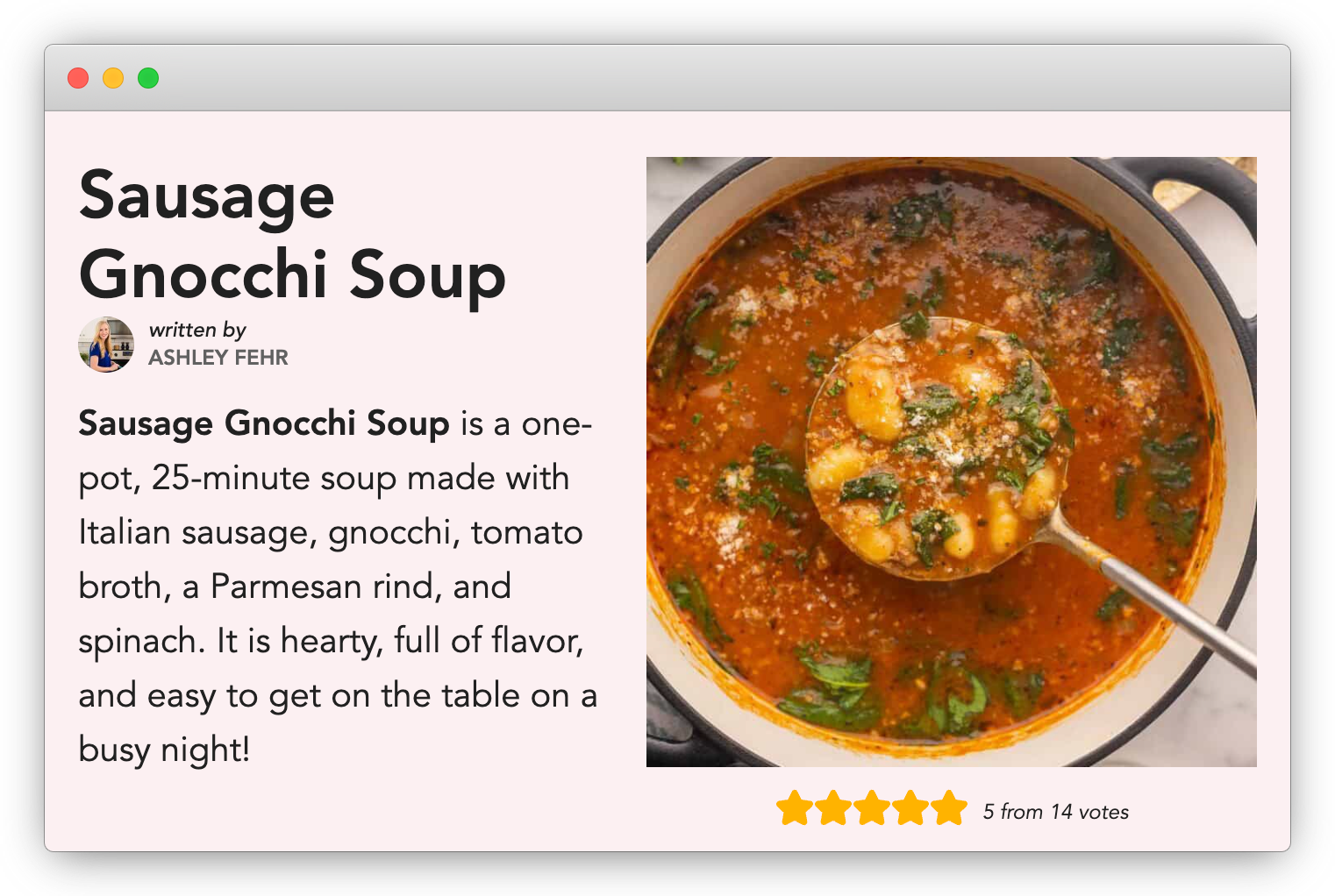
That visibility matters, especially for first-time visitors deciding whether to trust a recipe.
Adjustable servings are another feature readers come back to regularly.
“I know many readers who love the adjustable servings and being able to customize the recipe to fit their needs.”
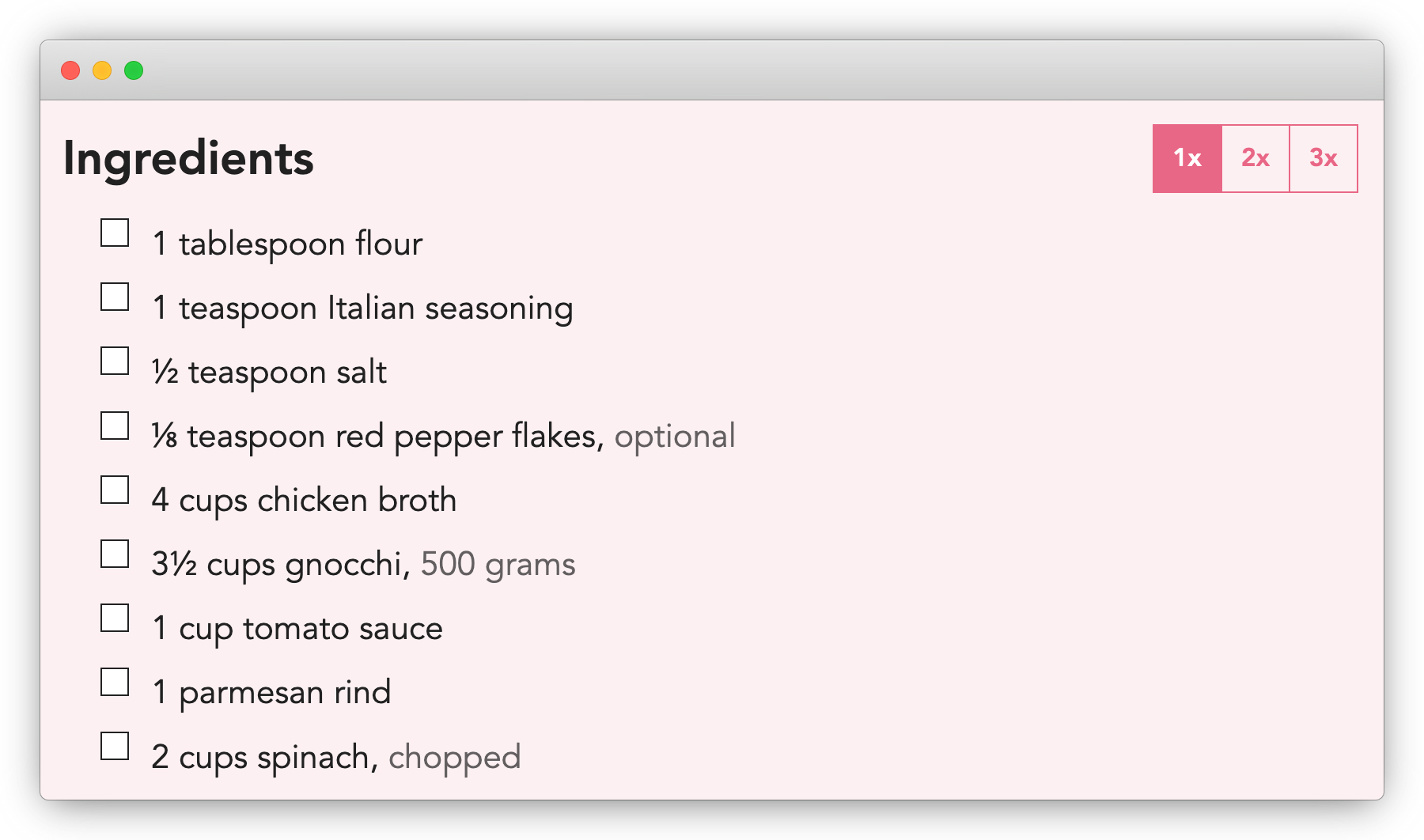
It removes the guesswork. Readers can adapt recipes without having to rethink quantities or do extra calculations.
Roundup posts play a different role, helping readers explore more content in a way that feels organized and easy to navigate.
“We also use the WP Recipe Maker roundup option for clean and appealing roundup posts.”
Together, these features shape how people move through the site. Recipes are easier to trust, easier to adjust, and easier to discover, without adding extra complexity.
How does The Recipe Rebel monetize?
The Recipe Rebel runs on an ad-supported model, so layout matters.
Every element on the page needs to work alongside ad placements without breaking the experience for readers. The recipe card is a big part of that, and it needs to fit cleanly into the overall structure.
WP Recipe Maker made that straightforward.
“WP Recipe Maker has been easy to customize to suit the layout recommended by my ad network.”
Instead of working around a rigid design, Ashley was able to adjust the recipe card to match what her ad network expects.
That flexibility helps keep everything consistent. Ads, content, and the recipe card all sit together without clashing, which is important for both performance and usability.
For a site that relies on advertising, having that level of control makes a real difference.
Did readers notice the difference?
There was no big spike in comments or sudden shift in feedback after implementing WP Recipe Maker, and that is exactly the point.
From Ashley’s perspective, a lack of complaints is a good sign. It means readers are able to use the recipe card without friction, without confusion, and without needing to ask questions.
“I haven’t had many comments on the recipe card by readers – I think it works well for my needs and theirs.”
The experience feels natural. Readers can follow the recipe, adjust it if needed, and move through the page without anything getting in the way.
Sometimes the best outcome is not drawing attention to the tool at all. It just works.
What’s the real-world impact?
The impact of WP Recipe Maker shows up in how the site performs day to day, both in search and behind the scenes.
Roundup posts, in particular, stand out more in search results. Instead of blending in, they appear as carousel-style results (a scrollable row of recipe cards displayed directly in Google), which makes them more noticeable and easier to click.
“Using the WP Recipe Maker roundup functionality turns recipe roundups into appealing carousels in search results, which I think makes them more interesting to those looking for recipes.”
On the technical side, everything has been consistent.
“Updates and formatting have always been smooth and we haven’t had any issues.”
There are no formatting problems to fix and no disruptions when updates roll out. The recipes display as expected, and the site continues to run without interruption.
It is not about a single standout metric. It is about reliability over time, both in how the content appears in search and how the site holds up behind the scenes.
What would Ashley tell other food bloggers?
Ashley’s advice is simple, but it saves a lot of time.
If you run into an issue, do not try to solve everything on your own. Chances are, someone else has already dealt with the same thing.
“I think asking for help, from the team or from forums or communities, when you need it is key. Many people who have gone through the same thing are very willing to answer questions or offer advice, so when you come across a specific question, do a search in your communities and then pose a question.”
Whether it’s support from the plugin team or other food bloggers, there is a lot of shared knowledge out there.
Tapping into that early makes it easier to move forward without getting stuck on small problems.
Want to see it live?
If you want to see how this all comes together on a live site, these recipes are a good place to start.
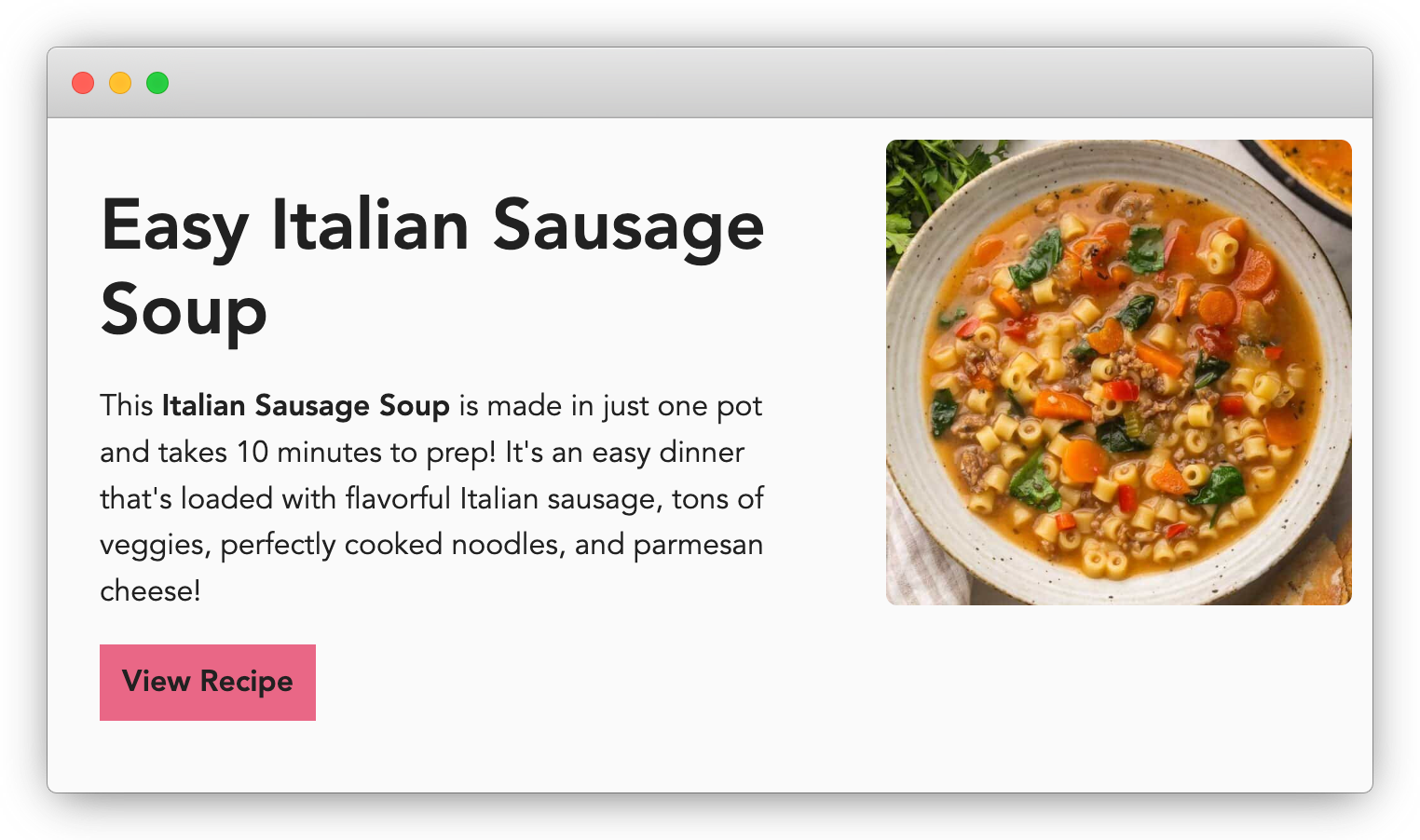
- Italian Sausage Recipes (roundup): This is a clear example of how Ashley uses WPRM roundups to group related recipes into a single, easy-to-browse page. Each recipe is presented in a clean, consistent format, making it simple to scroll through and pick something that fits. This structure also supports the carousel-style appearance in search, helping the page stand out.
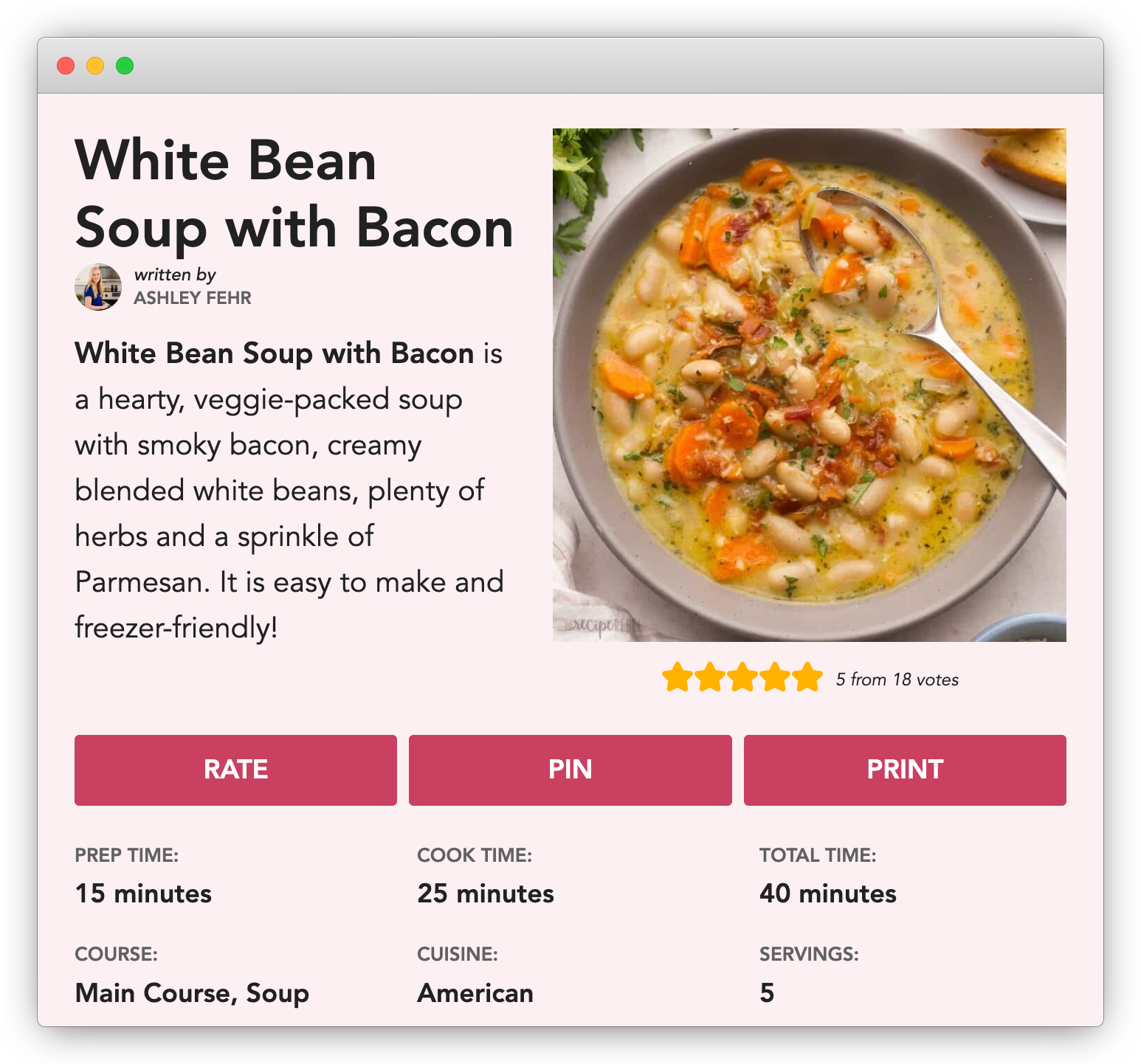
- White Bean Soup with Bacon (recipe card): A full recipe card in action, showing how everything is laid out for readers. You can see star ratings, adjustable servings, and a clear ingredient and instruction structure. It’s easy to follow without feeling cluttered, which matches what her audience is looking for.
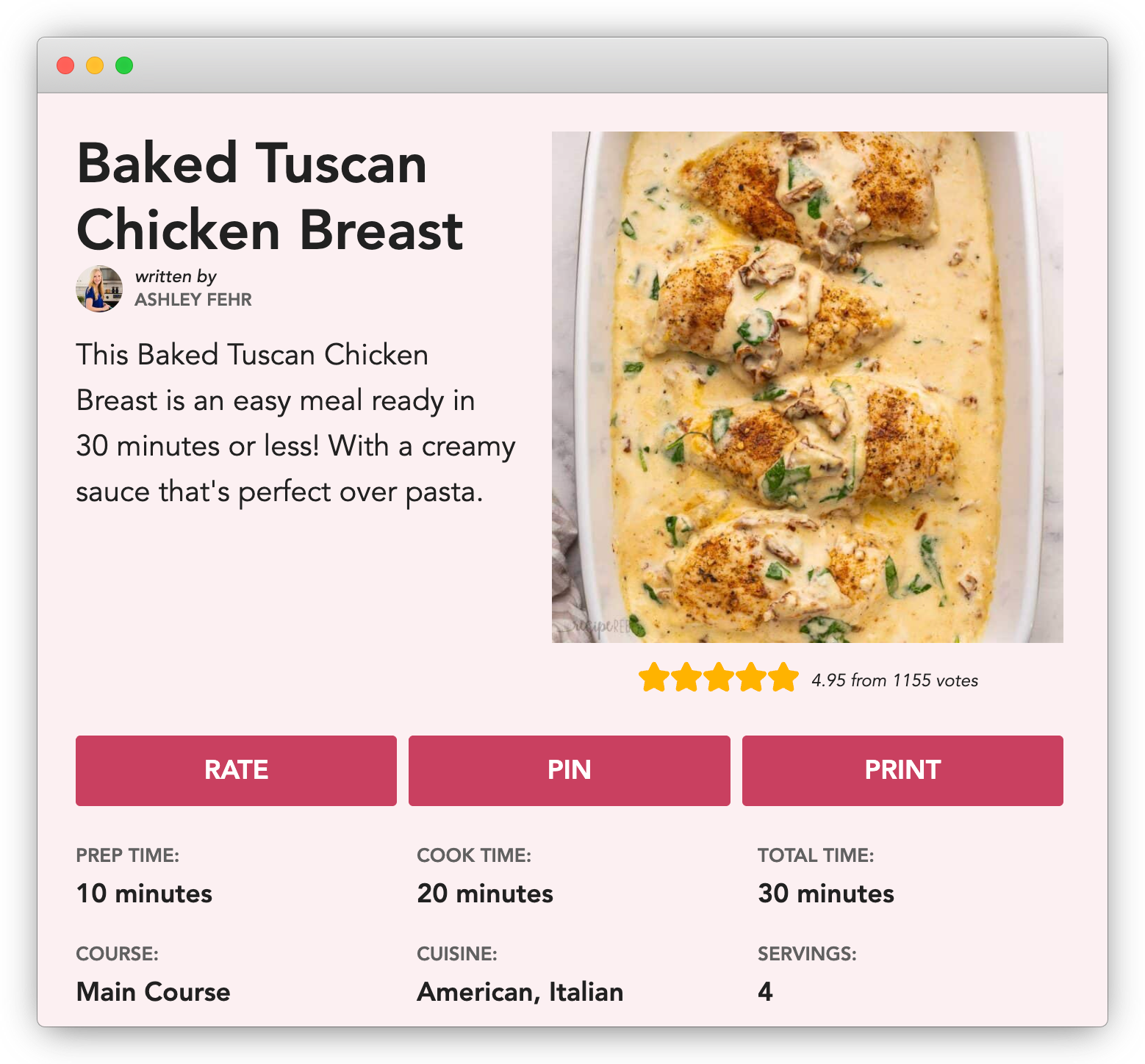
- Baked Tuscan Chicken Breasts (recipe card): Another strong example of the same setup, reinforcing consistency across the site. The layout, structure, and features stay the same, so returning readers know exactly where to find what they need. That consistency helps build trust and keeps the experience predictable.
WP Recipe Maker gives Ashley Fehr the stability and flexibility she needs to keep The Recipe Rebel focused on what matters most: sharing reliable, family-friendly recipes that people can trust.