

Maybe it’s a spicy chutney that your friends won’t stop asking for. Or, granola you’ve been batch-making for years that honestly deserves its own shelf at Whole Foods. Either way, you’ve got something worth sharing, and people are asking if they can buy it. So, you start googling how to actually sell food online… and suddenly, it’s all about permits, shipping labels, and food-safe packaging regulations.
It’s a lot. But it doesn’t have to be complicated.
You don’t need a giant commercial kitchen or a business degree. You just need a clear plan, a legal setup, and a way to get your food in front of people who’ll love it. If you’re using WordPress, there are plugins like WP Recipe Maker that can give you a head start, helping you build traffic and trust by showing exactly what goes into your product and how to use it.
Before you throw yourself into the fun stuff like packaging ideas or choosing your sales platform, there’s one thing you absolutely need to get right first: making sure it’s legal to sell your food in the first place.
1. Research food laws and regulations
Every location has its own rules about what you can sell, where you can make it, and how it needs to be labeled. Some states are relaxed about home kitchens; others won’t let you sell a single cookie without an inspection.
One thing to look up is your state’s cottage food laws. These are rules that let you legally sell certain non-perishable foods (like breads, jams, or cookies) made at home. The list of allowed foods, income limits, and selling restrictions (like whether you’re allowed to sell online) all depend on where you live. A quick search for “[your state] cottage food law” is usually the fastest way to get the details.
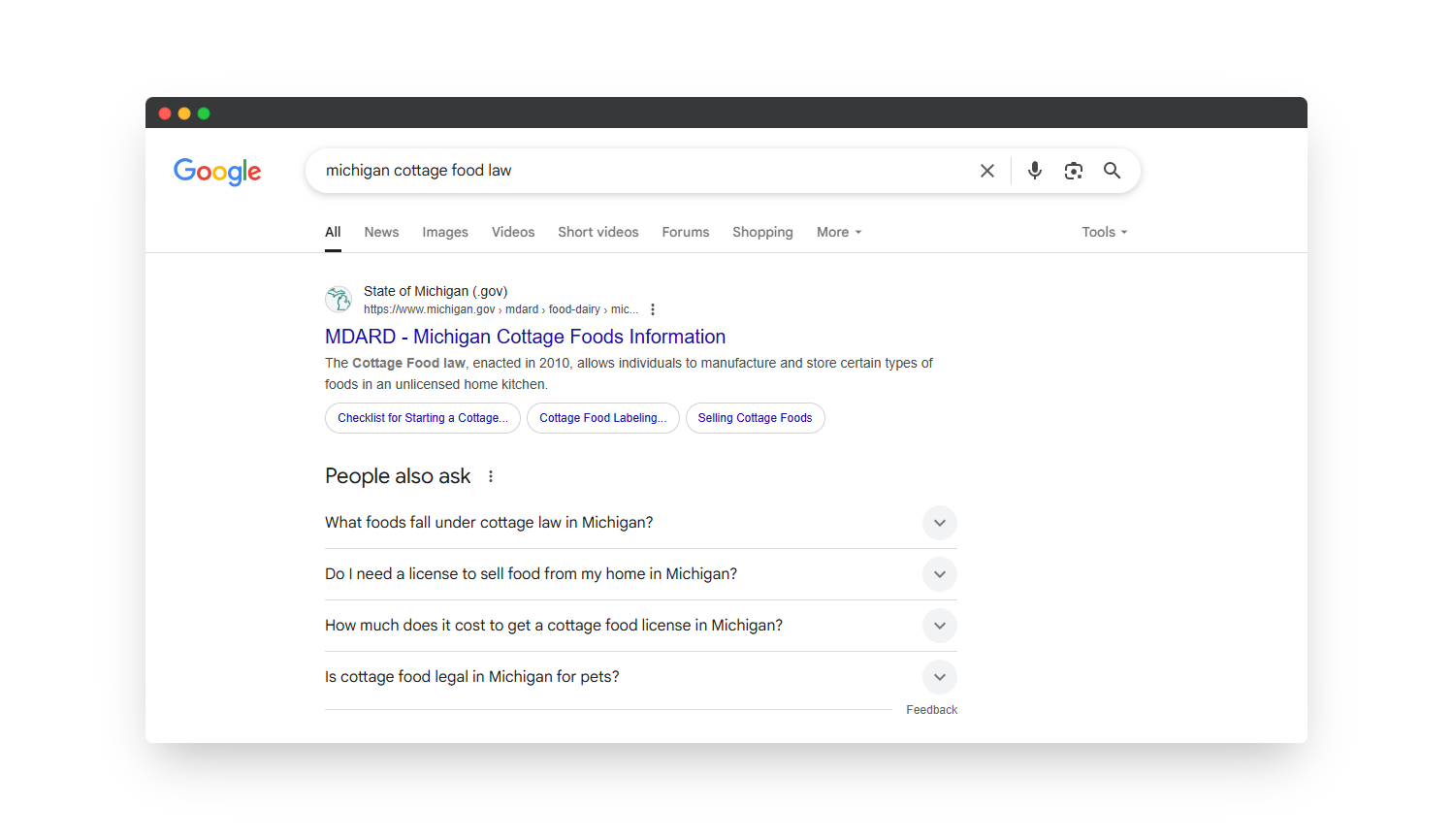
Even if you’re starting small, you’ll likely need:
- A business license from your local clerk’s office
- A food handler’s permit from the health department
- A kitchen inspection, unless your product is exempt
Don’t forget labels. They need to include ingredients (in order of weight), highlight common allergens, and sometimes even show nutritional info.
Getting approved can take a few weeks, especially if inspections are involved, so don’t leave this step too late. Once the legal stuff is done, you’re ready to focus on what makes your food worth selling in the first place.
2. Find your niche and choose the right business model
Obviously, not all food businesses are the same, which is a good thing! Your job now is to figure out what to sell, who it’s for, and how you’ll run things. Basically, you’re going to want to find your food niche.
Start by spotting the gaps. What do people in your area (or online) say they wish they could find? Maybe it’s allergen-friendly snacks that don’t taste like cardboard, or authentic regional sauces that aren’t stocked in stores. Long lines at farmers’ markets and sold-out small-batch products are also a good sign that there’s demand.
Once you’ve got an idea, think about your audience. Ask yourself:
Are you selling to busy families who want ready-made meals? Vegan home cooks looking for artisanal ingredients? Foodies who want bold, niche flavors?
It’s worth testing before making a commitment – think about small batches at local markets, gathering feedback on Instagram, or even asking friends to order a trial box. You’re looking for signs that people not only like what you make, but are willing to pay for it.
From there, pick a model that fits:
- Direct-to-consumer gives you more profit, but you’ll need to handle all the marketing.
- Wholesale is lower effort day-to-day but relies on volume.
- Subscription boxes bring steady income but take planning.
- Custom orders work for high-end products, but they’re time-consuming.
Then you’re going to want to figure out your production setup. If you’re sticking with a home kitchen, does it have the space and equipment you’ll need long-term? If not, it might be time to price out renting a commercial space.
Successful niche highlight ✨

Minimalist Baker built a following around simple, plant-based recipes that require only 10 ingredients or fewer, one bowl, or 30 minutes to prepare. By focusing on clear niches like vegan or gluten-free, they’ve attracted an audience who knows exactly what to expect. They strategically use their recipes to highlight products that they sell in their webshop, including vegan and gluten-free friendly products such as almond flour, arrowroot starch, and nutritional yeast!
Did you know? WP Recipe Maker can help you share your recipes and products in a way that connects with the right people, while also positioning you as an expert in your niche!
3. Optimize production and streamline operations
Once you’ve figured out what to sell, the next step is making sure you can actually produce it efficiently, without burning out or running out of stock halfway through the week.
Start by investing in the right tools for the job:
- Bakers need quality stand mixers, digital scales, and reliable sheet pans.
- Meal prep businesses should look at vacuum sealers, portion containers, and blast chillers.
- Sauce or condiment makers benefit from immersion blenders, pH meters, and heat-safe bottles.
Work out your average weekly sales, then size your batches accordingly. Build in a 20% buffer so you’re not caught short when orders spike. To avoid waste and missed orders, use an inventory management tool to keep tabs on ingredients and packaging supplies.
Create a master recipe doc and a production checklist. Consistency matters, especially if customers are coming back for the same item. Set up your kitchen with a clear flow: storage → prep → cooking → packaging. Keep raw and cooked items separated, and group similar products to speed things up.
If demand grows, you might need to scale by upgrading your gear, hiring part-time help, or moving into a shared commercial kitchen.
And don’t skip food safety. Keep temperature logs, build a cleaning routine, and regularly test your products’ shelf life. A smooth operation means fewer mistakes and happier customers.
4. Choose the best online sales channels for your food business
Choosing where to sell your food online can make or break your business. Some platforms give you instant access to shoppers, while others give you total control over how your brand shows up. The right choice depends on how much effort you want to put into your setup and how much control you want to keep.
Food-specific marketplaces like Goldbelly and Etsy Food section are great for getting your product in front of food-loving customers fast. They already attract shoppers looking for artisanal, handmade, or specialty items. The only slight snag here is you’ll pay higher fees and have less say over how your brand is presented.
If you want full control, building your own site is the way to go. A WordPress + WooCommerce setup gives you ownership over everything – from design to product listings to SEO. If, however, you prefer a simpler setup, then Shopify or Square Online are beginner-friendly options that let you launch a store with no code.
You can also start small by selling directly on social media:
- Instagram Shop lets you tag products in your posts and stories.
- Facebook Marketplace allows you to build a storefront and take orders without needing a full website.
As you think about your options, ask yourself:
- Can the platform handle food listings and ingredients?
- What are the fees per sale?
- Will it calculate shipping costs for perishables?
- Can shoppers filter by dietary needs?
- How easy is it to update products when recipes evolve?
| Here’s a quick rule of thumb: Just testing the waters? Instagram or Facebook Marketplace keeps costs low. Ready to grow? Shopify or Square makes it easy. Want full flexibility and brand ownership? Go with WordPress and WooCommerce. |
5. Use WP Recipe Maker for SEO-driven traffic and sales
Sure, you want a great product to sell food online, but you also need to help people actually find it. Thankfully, there are things around to help you with that. If you’re using WordPress for your website, WP Recipe Maker can quietly do a lot of the labour behind the scenes to help your business grow.
Recipes are a powerful discovery tool. Someone might not be searching for “homemade vegan pesto in a jar,” but they are looking for “quick vegan pasta dinner.” By publishing recipes that feature your product, you show up in searches your future customers are already making, long before they’re even thinking about buying.
You might worry that sharing recipes gives away your secrets. But in reality, it does the opposite. “Showing people what goes into your food – how it’s made, what it looks like, and what the nutritional value is – builds trust and authority,” says Birthe Vandermeeren, Co-Founder of Bootstrapped Ventures. “That transparency can actually drive sales, not take away from them.”
WP Recipe Maker also gives you an SEO advantage with structured data features, making your recipes eligible for visual snippets in Google with star ratings, cook times, and more.
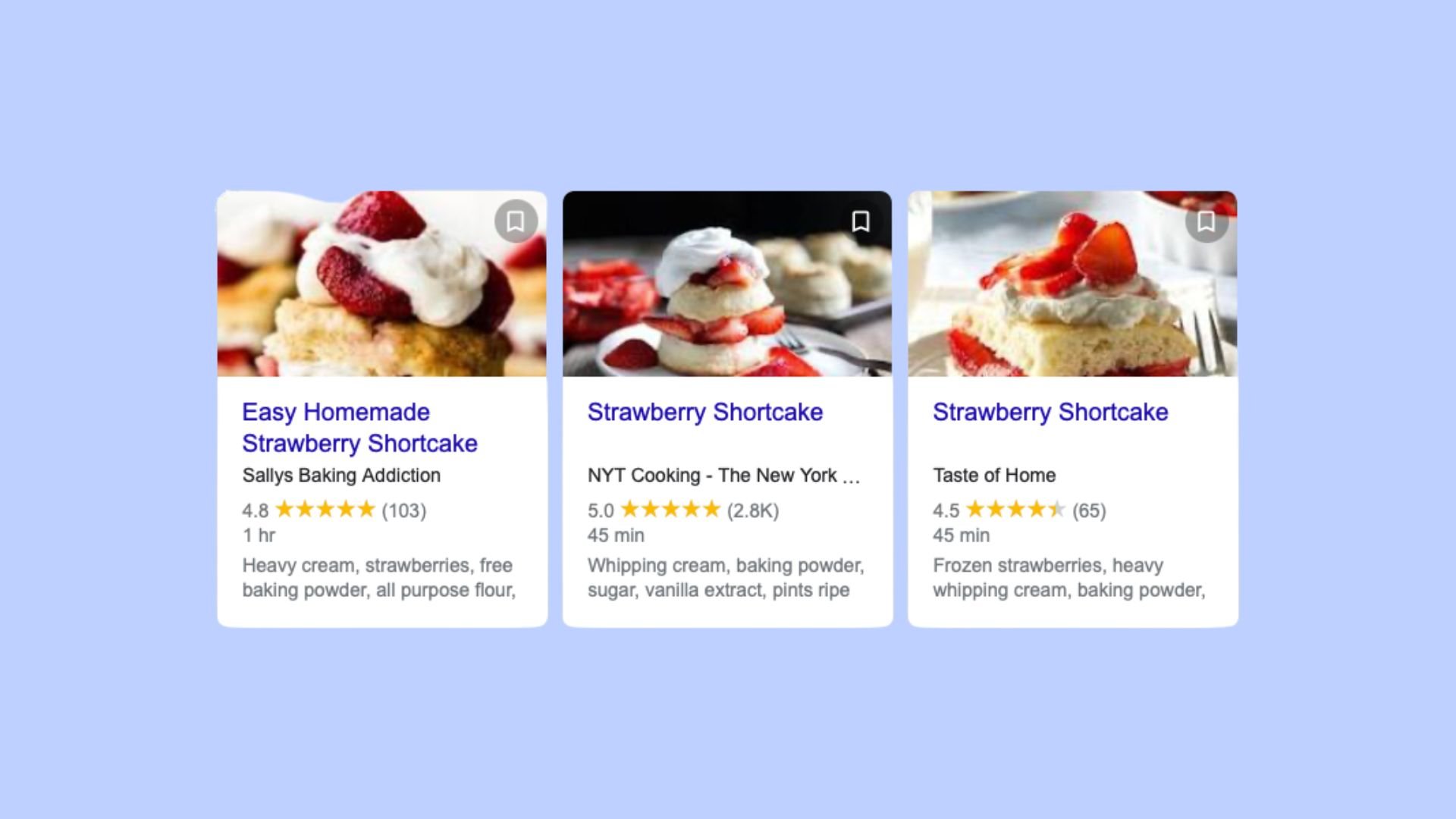
You can fully customize recipe collections and recipe cards to match your branding with the template editor, and even link directly to products using WooCommerce integration. Selling ingredients? Show people how to use them. Selling full dishes? Show them why yours is better.

6. Build a brand and market your food business
You don’t need a huge budget to build a brand that sticks – you just need clarity, consistency, and a bit of personality.
Start by figuring out what makes your food yours. Is it your spices? Your family recipes? Your commitment to local ingredients? Use that to shape everything from your packaging to your Instagram bio. A consistent look (like colors, fonts, photography style) helps people instantly recognize your business, wherever they find you.
Your brand story matters, too. Whether you’re a trained chef or a self-taught sourdough nerd, sharing why you do what you do helps customers connect with you and trust you.
Content is your best long-term marketing tool. Use your blog to publish recipes and tips that show your expertise. WP Recipe Maker makes it easy to keep those posts on-brand with custom recipe cards that match your site design and are optimized for search.

If you’re selling ingredients, WP Recipe Maker also lets you add affiliate links or recommended products right into your recipes, so your content works harder for you.
It’s worth setting up an email list early. Send out exclusive recipes, quick tips, or behind-the-scenes updates – something useful that keeps people engaged between purchases.
Finally, make sure you make space for feedback. Customer reviews, surveys, even casual Instagram replies – they all help you refine your product and build social proof that new buyers will trust.
7. Plan your finances for a profitable food business
Even the most delicious product won’t get far if your numbers don’t add up. A bit of financial planning upfront makes it much easier to stay profitable and avoid surprises later on.
Start by working out your true product cost. That means ingredients, packaging, labels, and shipping supplies – plus overheads like website fees, kitchen rental, insurance, and your time. From there, build a pricing strategy. Check what similar products are charging to stay competitive, but don’t just aim to break even. Make sure your profit margin covers both fixed and variable costs. You can also experiment with value-based pricing – charging based on what your product is worth to your customer, not just what it costs to make.
Use a simple accounting tool or spreadsheet to track what’s coming in and going out. Forecast for busy seasons (like holidays) and slower months, so you’re not caught off guard.
Set aside a budget for growth, whether it’s investing in better packaging or launching a marketing campaign. And don’t skip the emergency fund – equipment breaks and surprise costs happen.
Then you are going to need to get familiar with sales tax rules for your state and think about hiring a bookkeeper or using software to stay compliant and organized.
💰 Looking for more ideas? Check out our blog on how to make money with food.
8. Set up efficient shipping and delivery systems
Now, in our opinion, is the fun bit! Once the orders start rolling in, getting your product to customers quickly (and in perfect condition!) becomes top priority.
Start with the right packaging. Perishable items need insulation like foam containers or gel packs to stay fresh in transit. For shelf-stable goods, sturdy jars, kraft boxes, or sealed pouches work well. Branded packaging adds a nice touch and helps your product feel more professional.
Choose shipping partners based on your delivery range. For larger or national orders, UPS, FedEx, or USPS are reliable go-tos. For local deliveries, services like DoorDash or specialty food couriers can get items to customers quickly and safely.
Think about how you’ll handle shipping costs. Flat-rate pricing keeps things simple, while free shipping thresholds can help boost average order value. If you’re using WooCommerce or another platform, real-time shipping rate integrations help make sure you’re not over- or undercharging.
Plan your delivery times around your product’s shelf life. If freshness is key, offer expedited options for faster delivery. And always provide tracking numbers and automatic updates – customers want to know where their order is.
Have a clear returns and customer service policy, even for food. If something arrives broken, melted, or missing, quick support builds trust.
🌍 Go green where you can. Eco-friendly packaging and minimal waste are more than just good PR – they often lead to repeat business from conscious customers!
Start selling your food successfully today
Launching a successful online food business takes careful planning – from understanding regulations and finding your niche to streamlining production and marketing smartly. With WP Recipe Maker on your WordPress site, you can display your food products through detailed, well-organized recipes that not only attract visitors but also encourage them to engage with your brand. By displaying your food items in creative and practical recipes, you can demonstrate their value and versatility, which helps build trust and establish your expertise.
Remember, profitability isn’t just about great food – it depends on smart financial planning, efficient operations, listening to customer feedback, and standing out in a crowded market.
Ready to start your food business? Explore how WP Recipe Maker’s features can help you grow your audience and turn visitors into loyal buyers!