As a chef, food photographer, or culinary professional, your portfolio is a reflection of your passion, creativity, and expertise. Whether you’re looking to land your dream job, attract new clients, or just display your culinary journey, a well-crafted portfolio is a great way to do this.
Here, you’ll find tips on the main components of a great portfolio, plus advice on designing and organizing it to make the best impression. We’ll also explore how WP Recipe Maker can make your digital portfolio even better with interactive recipe cards, beautiful layouts, and effortless integration!
Digital vs. physical portfolios
Deciding whether to go digital or physical for your culinary portfolio is important. Each format offers unique benefits, depending on how you want to display your work and who you’re trying to reach:
Digital
Physical
Audience & industry fit
Reaches a broader audience, ideal for online sharing and social media.
Best for in-person meetings and networking events.
Accessibility & convenience
Easily shared via email, website, or social media, accessible anywhere.
Creates a memorable, tactile experience but is less convenient for sharing.
Content & presentation
Great for videos, interactive features, and galleries.
Offers a classic, high-quality feel with printed materials.
Maintenance & updates
Easy to update with new work and achievements.
Best for timeless, unchanging content but harder to update regularly.
Physical portfolios are ideal for face-to-face meetings where you want to make a lasting impression with high-quality print materials. Digital portfolios, however, are perfect for displaying your evolving work, including interactive elements and multimedia, making it easier to update and share your latest creations.
Lots of chefs choose to use both formats to maximize their opportunities, but for now, we’ll just focus on digital formats.
7 components of an impressive portfolio
A great culinary portfolio should show off your skills and creativity. To make sure it grabs attention, here are the main elements you’ll want to include:
1. Autobiography or About Me section
This is your chance to introduce yourself and share your culinary experience. Tell the story of what inspired you to become a chef, your cooking philosophy, and what makes your style unique. Keep it personal but professional – this is where you can talk about your passion for food and what sets you apart. This might be a cultural influence, a mentor, or a specific experience; make it memorable and authentic!
If you’re a culinary photographer, use this section to share how you got into food photography, your creative process, and what fuels your inspiration.
Questions to help you get started
What sparked your interest in cooking or food photography?
Who or what has influenced your style and approach?
How would you describe your cooking philosophy or photography style?
What unique experiences or backgrounds have shaped your work?
What sets you apart from other chefs or photographers in the industry?
2. Education and work experience
This section is where you can highlight your formal training, certifications, and the hands-on experience that has shaped your career. List your culinary education, including the institutions you attended, degrees, and any relevant certifications. If you’ve completed apprenticeships, internships, or specialized training in areas like pastry arts or wine pairing, make sure to mention those as well.
Also, share details about notable jobs you’ve had, be it working in top restaurants, private dining, or catering, along with your position and responsibilities. If you’ve had the privilege of working under renowned chefs or in Michelin-starred restaurants, don’t forget to include that.
For culinary photographers, this is the place to mention any photography training, workshops, or experience working with chefs, restaurants, or food brands.
Questions to help you get started
What formal education or certifications have you received in the culinary field?
Have you completed any apprenticeships, internships, or specialized training?
What notable jobs or restaurants have you worked at, and what were your responsibilities?
Have you worked with renowned chefs or Michelin-starred establishments?
For photographers: What photography training or workshops have you taken?
What notable clients have you worked with?
3. Professional recognitions and achievements
To establish your credibility and demonstrate your expertise, this section is where you can highlight the recognition you’ve earned in your career. Whether it’s winning awards like ‘Best Young Chef of 2023’ or competing in high-profile contests like Chopped or Bocuse d’Or, this is the place to show off your accomplishments.
Don’t forget to mention any press features, TV appearances, or online publications that have displayed your work. If you’ve spoken at events, hosted workshops, or contributed to a cookbook, those are key highlights, too.
For culinary photographers, include any awards, your published work in magazines, or important collaborations with chefs or food brands.
Questions to help you get started
What notable culinary awards have you won?
Which competitions or festivals have you participated in?
Has your work been featured on TV or in publications?
Have you spoken at events, led workshops, or written for cookbooks?
For photographers: What awards or published works can you highlight?
Have you worked with any well-known chefs or brands?
4. Food photos
No culinary portfolio is complete without high-quality food photography that highlights your skills and creativity. Choose professional, well-lit images that emphasize plating techniques, vibrant colors, and textures. Avoid over-editing; natural lighting and thoughtful styling often produce the best results.
Aim for a variety of shots to show the full range of your work. Include signature dishes, plated meals, behind-the-scenes prep, and action shots. Organize your photos into categories like appetizers, main courses, desserts, and any specialty items you’re known for. If possible, include before-and-after photos to demonstrate how your plating has evolved over time.
Photographers, it’s your time to shine! Show off different photography styles, such as ingredient close-ups, action shots, restaurant interiors, and beautifully plated dishes!
Questions to help you get started
What signature dishes or meals would you like to feature?
Have you captured behind-the-scenes moments or action shots of your cooking process?
Can you organize your photos into categories like appetizers, main courses, and desserts?
Do you have before-and-after photos showing the evolution of your plating?
For photographers: What different photography styles (e.g., close-ups, action shots) do you use in your work?
5. Sample menus and your own recipe creations
Get creative! Include sample menus that highlight your ability to design thoughtful, seasonal dishes that reflect your style. Your menu should tell a story, whether it’s a tasting menu, a themed dinner, or a special event menu.
Along with menus, feature well-written recipes or snippets of some of your best dishes. If you specialize in custom menu planning for private dining, catering, or dietary needs like vegan or gluten-free options, be sure to mention it.
If your portfolio is digital and set up on a WordPress website, think about making this section interactive by including full recipes with tools like WP Recipe Maker. This allows visitors to see the details of your creations in an easy-to-follow format. You can also include pricing structures for catering or event menus to give potential clients a clearer idea of your offerings.
For culinary photographers, feature styled menu shoots, cookbook photography, or recipe images you’ve captured for clients.
Questions to help you get started
What sample menus best represent your culinary style and expertise?
Do you specialize in any custom menu planning (e.g., vegan, gluten-free)?
Can you include full recipes or recipe snippets that showcase your skills?
Have you worked on special event menus or tasting menus that can be featured?
For photographers: What styled menu shoots or recipe photography have you done?
6. Your special skills and the services you offer
Beyond just cooking, highlight the unique skills and services you bring to the table (literally!) Think about the culinary techniques you’re great at – whether it’s sous vide, fermentation, sugar work, or charcuterie – these are what set you apart.
Also, mention any soft skills that enhance your work, like leadership, time management, or your ability to engage with clients. If you offer services beyond traditional cooking, such as private chef work, food styling, consulting, or teaching, be sure to include those.
If you’ve built a strong social media presence or personal brand, don’t forget to mention how you interact with your audience and share your culinary journey. We’d also recommend adding any insights (such as how many followers, engagement, etc!)
For culinary photographers, highlight any services you offer, such as food styling, editorial photography, restaurant branding shoots, or product photography.
Questions to help you get started
What specialized techniques do you excel at that make you unique?
Are there any soft skills you rely on that contribute to your success (e.g., leadership, time management)?
Do you offer services beyond cooking, like food styling, consulting, or teaching?
How do you engage with your audience on social media or through your personal brand?
For photographers: What specific services do you offer, such as product or editorial photography?
7. Testimonials and recommendations
Testimonials are a powerful way to build trust and credibility with potential employers or clients. They show that others value your work and provide social proof of your skills, creativity, and work ethic. Include quotes from former employers, colleagues, or clients that highlight your strengths.
If you’ve received feedback from private dining experiences or catering events, include those comments to further demonstrate your impact. You can also add LinkedIn recommendations or Google reviews if you run a culinary business.
Aim for a mix of short, impactful testimonials and more detailed reviews that highlight your abilities and personality.
For culinary photographers, showcase client reviews from chefs, restaurant owners, or brands that emphasize your photography skills and professionalism.
Questions to help you get started
What feedback have you received from past employers or clients about your work?
Do you have any testimonials from private dining or catering experiences?
Are there any LinkedIn recommendations or Google reviews that can help build credibility?
For photographers: What client reviews have praised your food photography and professionalism?
How to design and optimize a culinary portfolio that stands out
Your culinary portfolio is your chance to tell the story of who you are as a chef or food professional. It’s about capturing your creativity, your journey, and the skills that set you apart – it’s super exciting! Here’s how to make sure yours really stands out:
1. Structure
Think about how to organize your portfolio based on what you do.
Restaurant chefs: Highlight your plated dishes, technique mastery, and menu development.
Private chefs and caterers: Show off event setups, diverse menu options, and client feedback.
Food photographers: Focus on lighting, composition, and how your photos tell a story.
2. Display your best work
You want to display a range of your skills without overwhelming the viewer.
Feature your hero shots: Start with your most visually striking dishes to grab attention.
Balance: Show both creative, innovative dishes and more traditional, finely executed ones.
Mix things up: Include a variety of images – fine dining plates, rustic dishes, behind-the-scenes shots, and ingredient-focused images.
Pick your best recipes: Feature dishes that really speak to your style and expertise.
3. Make sure the design is right for you
A clean, well-thought-out design makes all the difference in how your portfolio is perceived.
Prioritize your best work: The first few images should be your strongest pieces, followed by supporting shots that highlight your techniques.
Keep it simple: Avoid clutter – let your food and images stand out by giving them space.
Colors matter: Earthy tones and deep reds work well to create warmth, while black backgrounds can give a more refined, sophisticated feel.
Easy navigation: Keep the layout simple and easy to follow, organizing your work into categories like Signature Dishes, Menus, and Events.
4. Tell your story
Your portfolio should reflect who you are, not just what you cook.
Add some personality: Share why you create the dishes you do, what inspires you, or how your cultural background influences your cooking.
Show results: If your work has helped boost restaurant sales, led to a successful event, or improved a menu, mention it.
Get feedback: Include client reviews, testimonials, or any media mentions that show others value your work.
Don’t make these common mistakes when creating a culinary profile
Even the most talented chefs can unintentionally undermine their portfolios by making a few simple mistakes. Try to avoid:
Overloading: Too many images or long, excessive text can dilute the impact of your work. Keep it concise and focused on your best pieces.
Low-quality photography: Poor lighting and unappealing food shots can make even the most delicious dishes look unprofessional. Invest in good lighting and professional shots that highlight your work.
Messy or inconsistent layouts: A disorganized or cluttered portfolio is hard to navigate. Keep your formatting uniform and easy to follow.
Lack of updates: A static portfolio quickly becomes outdated. Regularly refresh it with new projects, experiences, and seasonal menus to keep it relevant.
Being irrelevant: Your portfolio should reflect the specific role or opportunity you’re targeting – whether it’s a restaurant job, freelance work, or food photography gigs.
🤫Insider tip: Step back and review your portfolio from an employer or client’s perspective. Is it easy to navigate? Does it effectively display your best work in a way that’s engaging and clear?
“A well-made portfolio is an absolute must for showing off your culinary skills. Small details, like presentation and quality, can make all the difference in standing out to potential employers or clients.”
“A well-made portfolio is an absolute must for showing off your culinary skills. Small details, like presentation and quality, can make all the difference in standing out to potential employers or clients.” – Birthe Vandermeeren, Co-Founder at Bootstrapped Ventures
Displaying your portfolio online with WP Recipe Maker
WP Recipe Maker takes your digital culinary portfolio to the next level by offering professional recipe and image presentation tools that help you display your work.
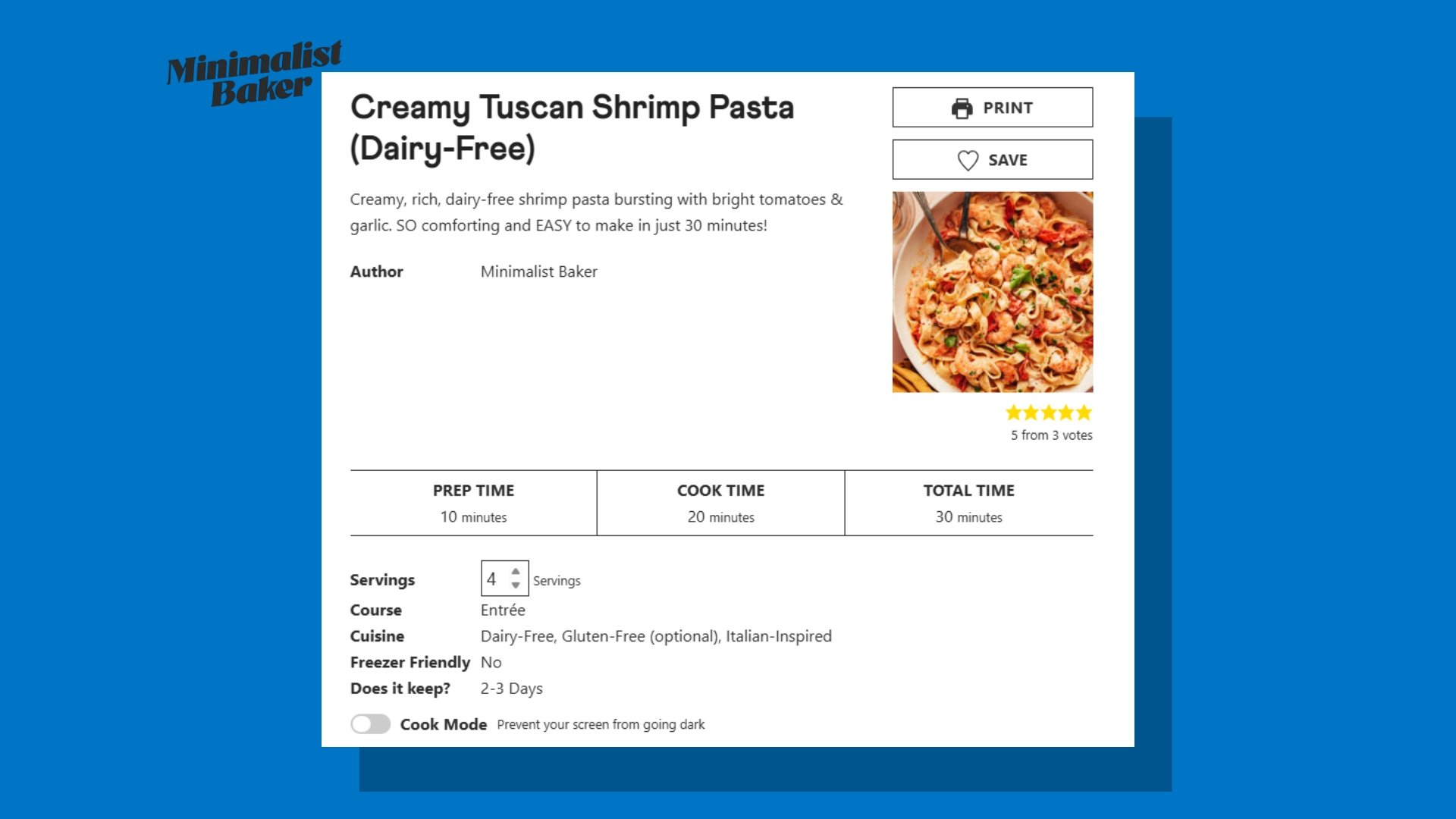
The Template Editor in WP Recipe Maker gives you complete control over the layout of your recipe cards so you can customize them to match your brand and portfolio aesthetic. You can choose from a variety of layout styles to make each recipe look its best. The centralized recipe management system makes organizing your signature dishes, specialties, and menus incredibly easy, keeping everything in one accessible location.
Each recipe is displayed with a clean, professional recipe card that includes detailed ingredients, step-by-step instructions, and helpful cooking notes. To really make your portfolio stand out, incorporate high-quality food photography alongside your recipes, creating a powerful visual impact that grabs attention.
What’s more, WP Recipe Maker allows potential clients or employers to interact with your recipes. They can easily print or share your creations, making it easier for them to engage with your work.
Giving you professional template options that highlight your culinary expertise.
Including a recipe manager that helps organize your culinary creations effectively for easy navigation.
Transform your expertise into a great portfolio today
Your culinary portfolio should grow with you, reflecting your skills and creativity as your career evolves. It’s not just about sharing what you’ve done – it’s about showing who you are and where you’re headed.
Keep your portfolio updated with your latest achievements, and tailor it to match your career goals. Using tools like WP Recipe Maker makes it easier to create a professional, engaging portfolio that highlights your expertise and passion for food. Plus, updating it regularly keeps you ready for whatever opportunities come your way!